How to Wash Dishes at Camp Without Making a Mess
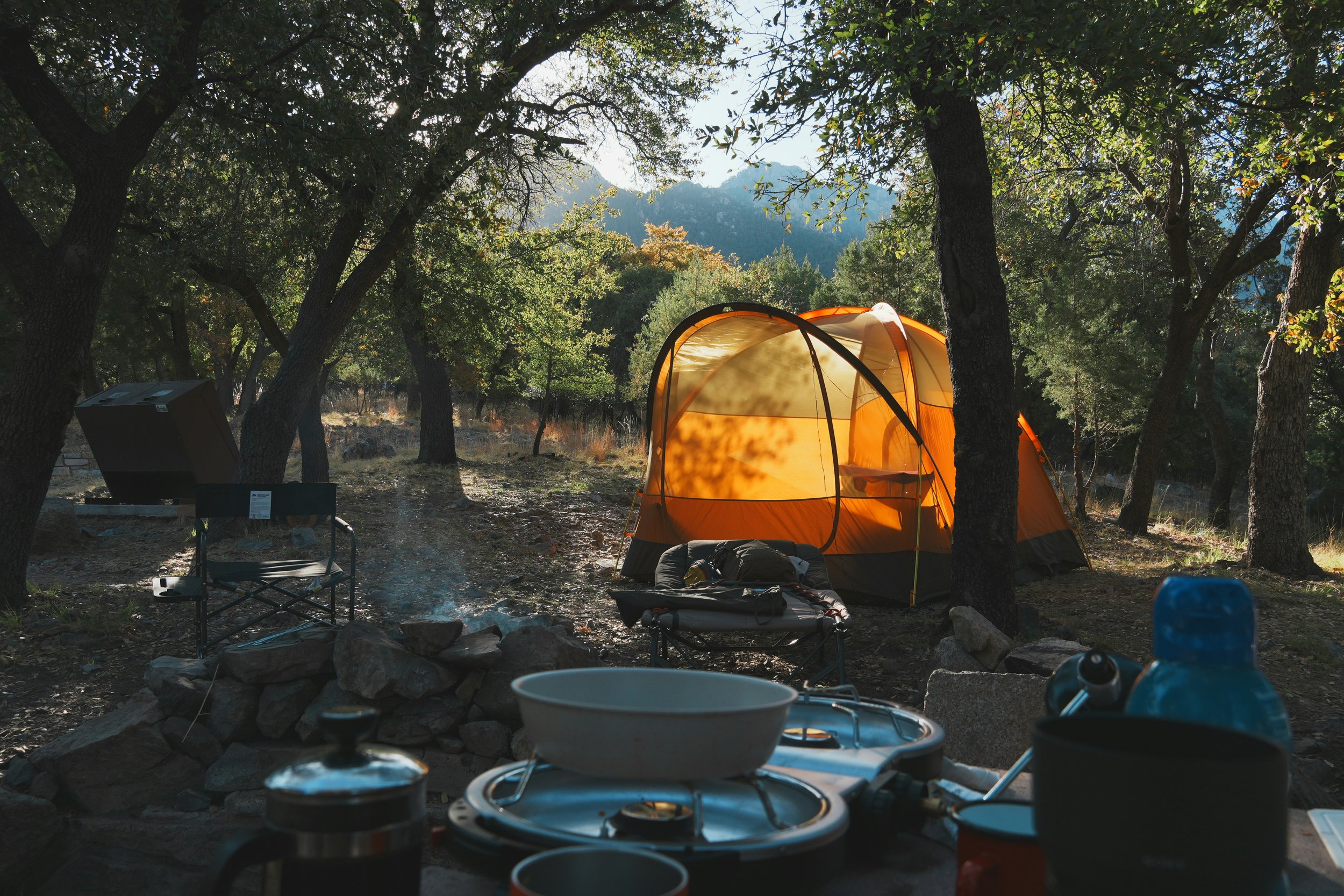
Cooking at camp is one of the best parts of camping. Cleaning up afterward? Not so much—especially if you’re new to it. The good news is that washing dishes at camp doesn’t have to be complicated, messy, or bad for the environment.
With a simple system and a few smart habits, you can keep your campsite clean, follow Leave No Trace principles, and avoid attracting unwanted critters—all without turning dish duty into a chore.
This guide walks you through an easy, beginner-friendly way to wash dishes at camp the right way.
Why Proper Dishwashing at Camp Matters
How you clean up after meals affects more than just your campsite.
Good camp dishwashing:
Keeps wildlife away from your food smells
Prevents greasy messes and lingering odors
Protects lakes, rivers, and soil
Makes camp feel organized and stress-free
Improper dishwashing—like dumping food scraps on the ground or washing directly in streams—can damage natural areas and cause long-term problems for both campers and wildlife.
Choose the Right Dishwashing Setup
You don’t need a full kitchen—just a simple, portable system.
A basic setup includes:
Two collapsible sinks or basins (one for washing, one for rinsing)
Biodegradable camp soap (used sparingly)
Sponge or scrub pad
Small towel or drying rack
Collapsible sinks are especially helpful because they pack small, keep water contained, and make cleanup more organized.
Step 1: Scrape First, Always
Before adding water or soap, scrape all food scraps into the trash.
Use a paper towel or spatula to remove:
Leftover food
Grease
Sauce residue
This step is key. The cleaner your dishes are before washing, the less soap and water you’ll need—and the fewer food particles end up in wastewater.
Pro note: Never dump food scraps on the ground. Even small crumbs can attract animals.
Step 2: Wash Away From Water Sources
A core Leave No Trace rule: never wash dishes directly in lakes, rivers, or streams.
Instead:
Carry water back to camp in your basins
Set up your dishwashing area at least 200 feet from water sources
This protects aquatic ecosystems and keeps soap (even biodegradable soap) out of natural waterways.
Step 3: Wash Smart, Not Soapy
Fill your first basin with warm water (if available) and add a tiny amount of biodegradable soap.
Then:
Wash the cleanest items first (cups, utensils)
Move to plates and bowls
Wash cookware last
Using minimal soap is better for the environment and easier to rinse.
Step 4: Rinse and Dispose of Water Properly
Use your second basin for rinsing with clean water.
Once finished:
Strain dishwater through a mesh strainer or bandana to catch food bits
Pack food scraps out with your trash
Scatter strained wastewater over a wide area, away from camp and water sources
This helps prevent odors and keeps animals from associating campsites with food.
Step 5: Dry and Store Immediately
Let dishes air-dry if possible, or wipe them down with a clean towel.
Once dry:
Store dishes in sealed bins or containers
Keep them inside your vehicle or food storage system
Leaving clean dishes out overnight can still attract animals due to lingering smells.
Extra Tips to Make Cleanup Easier
A few small habits go a long way:
Cook simple meals with fewer dishes
Wipe pans with a paper towel before washing
Heat water while you eat so it’s ready for cleanup
Designate one person as “dish lead” to streamline the process
Less mess at mealtime means less effort afterward.
Final Thoughts
Washing dishes at camp doesn’t have to be messy, stressful, or harmful to nature. With a simple setup, minimal soap, and mindful water disposal, you can keep your campsite clean and follow Leave No Trace principles with ease.
A tidy camp kitchen makes the whole camping experience better—for you, other campers, and the outdoors you came to enjoy.
Happy camping,
JP