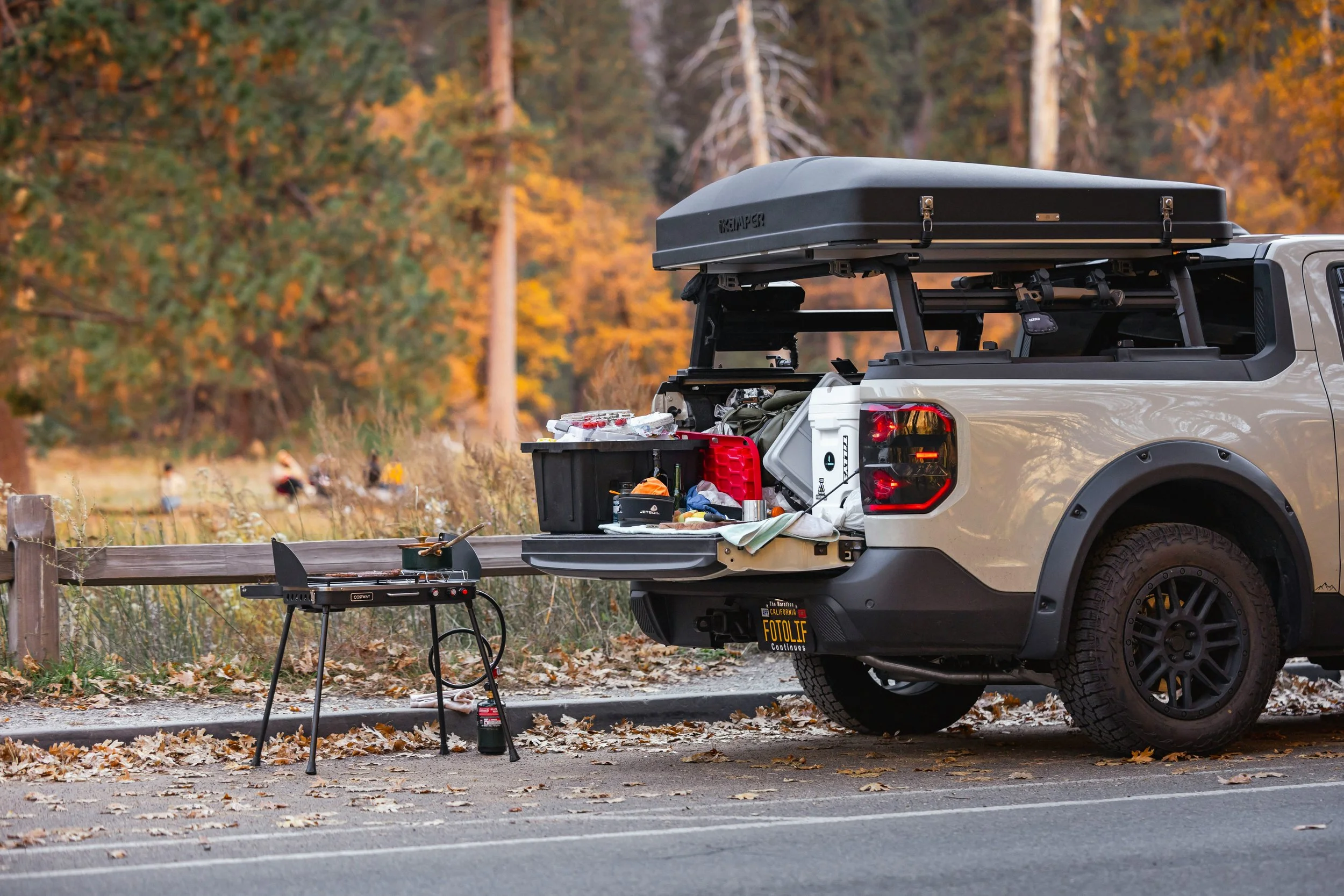
Few things can derail a camping trip faster than spoiled food—or a curious animal tearing through your campsite overnight. Keeping food safe while camping isn’t complicated, but it does require a little planning and awareness.
Whether you’re car camping at a developed campground or staying somewhere more remote, proper food storage protects your meals, your health, and the wildlife around you. This guide covers simple cooler strategies, smart storage habits, and wildlife-safe practices every camper should know.
Start With a Smart Cooler Setup
A cooler is more than a box full of ice—it’s your main defense against food spoilage.
Basic cooler rules:
Pre-chill your cooler before loading it
Use frozen items and ice packs instead of loose ice when possible
Keep the cooler closed as much as possible
Store raw meat at the bottom where it stays coldest
Layering matters. Pack ice or freezer packs on the bottom, then raw meats, then dairy and ready-to-eat foods on top. This keeps the most temperature-sensitive items safest for the longest time.
Pro tip: High-quality cooler packs that last longer than ice
Separate Food by Use and Risk
One of the easiest beginner mistakes is putting everything in one cooler and digging through it all day.
Instead:
Use one cooler for meals and perishables
Use a second cooler for drinks
Keep snacks and dry foods outside the cooler entirely
This reduces how often your food cooler is opened, which helps it stay cold longer and lowers the risk of contamination.
Use Dry Storage for Non-Perishables
Not all food belongs in a cooler. Dry foods should be stored securely and neatly to prevent moisture, bugs, and animals from getting in.
Good dry storage items include:
Bread
Snacks
Coffee and tea
Cooking oils and spices
Store these in sealed containers or dry bags, and keep them inside your car or a designated food locker when not in use.
Pro tip: Try waterproof dry bags for campsite food storage
Never Leave Food Out at the Campsite
Even if you’re “just stepping away for a minute,” unattended food is an open invitation for wildlife.
That includes:
Food on picnic tables
Dirty cookware
Trash
Coolers left open or unlocked
Animals have an incredible sense of smell, and once they associate campsites with food, it creates dangerous habits—for them and for campers.
Rule of thumb: If you’re not actively eating or cooking, your food should be stored.
Know the Wildlife Rules Where You’re Camping
Different parks have different requirements, especially in bear country.
Common food storage rules include:
Locking food in your vehicle
Using campground bear lockers
Storing food in approved bear canisters
If bear-resistant storage is required, follow those rules strictly. They exist to protect both campers and wildlife.
Manage Trash Like It’s Food (Because It Is)
Trash smells just as tempting to animals as your dinner.
Best practices:
Use sealed trash bags
Dispose of trash frequently in designated bins
Never leave trash out overnight
Pack out trash if no bins are available
Wipe down tables and cooking areas after meals to eliminate lingering smells.
Cooler Placement Matters
Where you place your cooler can make a difference:
Keep it in the shade
Store it inside your vehicle overnight
Avoid leaving it next to your tent
Some animals can pry open coolers surprisingly easily, so don’t rely on latches alone.
Simple Habits That Make a Big Difference
A few small routines go a long way:
Wash hands before handling food
Keep raw and cooked foods separate
Label containers so you don’t rummage
Do a final food check before bed
Making food safety part of your daily campsite rhythm helps everything run smoother.
Final Thoughts
Keeping food safe at the campsite doesn’t require fancy systems or complicated rules—just consistency and awareness. When you manage your cooler properly, store food securely, and respect wildlife guidelines, you protect your meals, your campsite, and the natural environment you’re there to enjoy.
A clean, organized food setup leads to better meals, fewer worries, and quieter nights under the stars.
Happy camping,
JP