5 Campfire Styles Every Camper Should Know
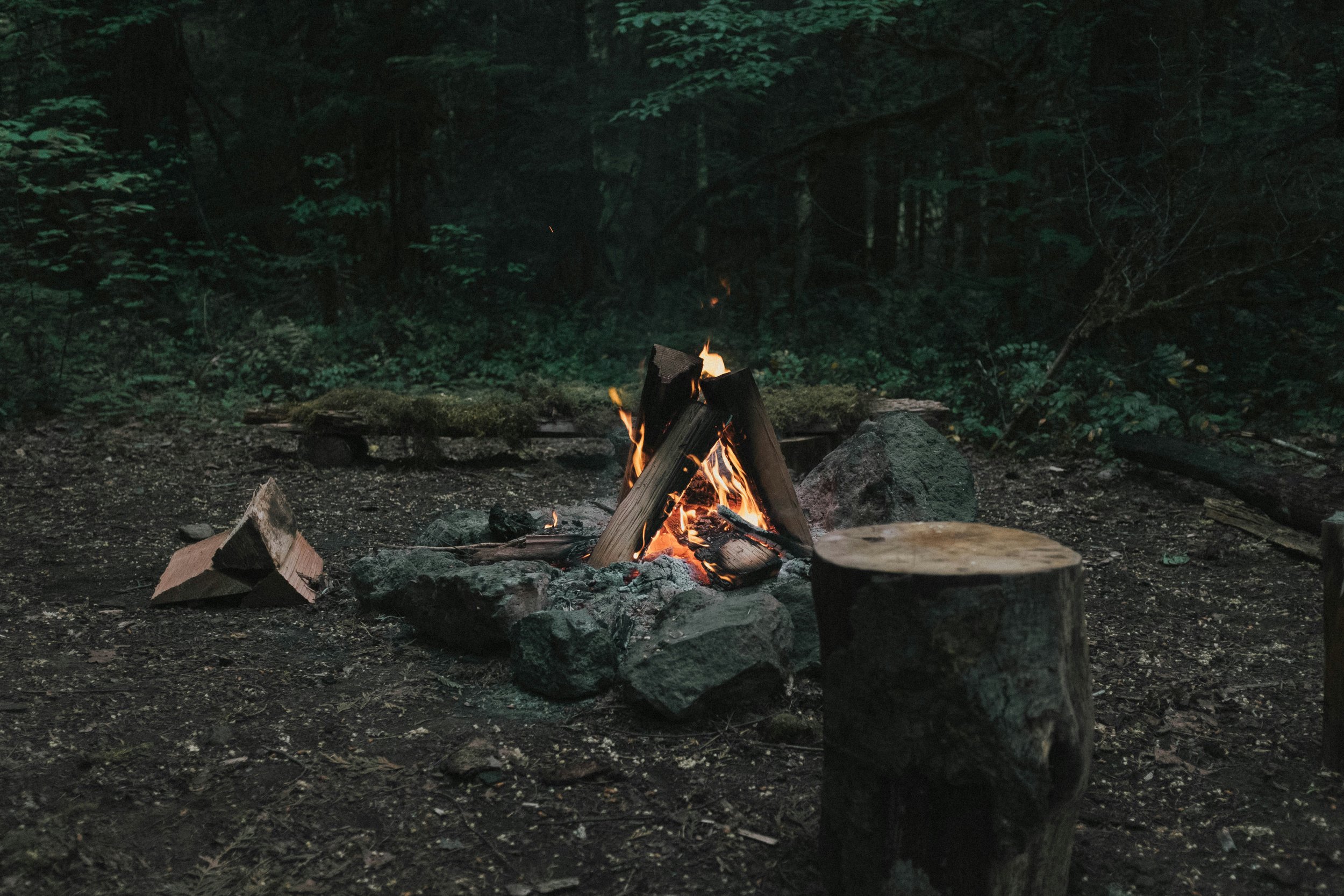
A good campfire isn’t just about lighting a match and stacking some wood. The way you build your fire affects how easily it starts, how hot it burns, how long it lasts, and how safely you can manage it. Learning a few basic campfire styles gives you confidence and flexibility, whether you’re cooking dinner, staying warm, or just enjoying the glow.
You don’t need to master them all at once. Start with one or two, and build from there. These five campfire styles cover most camping situations and are easy for beginners to learn.
1. Teepee Fire
Best for: Quick starts, boiling water, lighting stubborn wood
The teepee fire is one of the most common and beginner-friendly fire styles. You place tinder in the center, then lean kindling around it in a cone shape, leaving space for airflow.
Why it works:
Excellent airflow helps flames rise quickly
Easy to light and rebuild
Great for starting fires in calm conditions
Watch out for:
Burns fast
Needs frequent feeding to keep going
This is a great starter fire and often the first structure campers learn.
2. Log Cabin Fire
Best for: Long-lasting heat, steady flames, cooking
The log cabin fire is built by stacking logs in a square, like a tiny cabin, with tinder and kindling in the center.
Why it works:
Burns slower and more evenly
Creates a solid coal base
Ideal for cooking over coals
Watch out for:
Takes more time and wood to build
Needs dry logs to work well
If you want a reliable fire that lasts through dinner and beyond, this is a strong choice.
3. Star Fire
Best for: Conserving firewood, overnight warmth, minimalist setups
For a star fire, place large logs on the ground with one end meeting in the center, forming a star shape. Light the center, then slowly push logs inward as they burn.
Why it works:
Extremely fuel-efficient
Easy to control heat
Requires minimal tending
Watch out for:
Not ideal for quick cooking
Needs thicker logs
This is a classic low-maintenance fire style, especially useful when firewood is limited.
4. Lean-To Fire
Best for: Windy conditions, one-sided heat, emergency warmth
Start by placing a larger log on the ground as a windbreak. Lean kindling and smaller logs against it at an angle, with tinder underneath.
Why it works:
Shields flames from wind
Directs heat in one direction
Good for cold or breezy campsites
Watch out for:
Burns unevenly
Needs careful placement to stay stable
This style is practical when weather conditions aren’t ideal.
5. Platform Fire
Best for: Wet ground, rainy conditions, damp environments
A platform fire starts with a base of green or thick logs laid side by side. The fire is built on top of this platform instead of directly on the ground.
Why it works:
Keeps fire off wet soil
Improves airflow underneath
Helps fire stay lit in damp conditions
Watch out for:
Takes more setup time
Requires extra wood
If the ground is soggy or muddy, this method can be the difference between success and frustration.
Choosing the Right Fire Style
The “best” campfire depends on what you need in the moment:
Fast flame: Teepee
Cooking and steady heat: Log cabin
Efficiency and control: Star fire
Wind protection: Lean-to
Wet conditions: Platform
Always follow campground fire rules, use established fire rings when available, and fully extinguish your fire before leaving or going to sleep.
Final Thoughts
Building a campfire is both a skill and an art. Knowing multiple fire styles helps you adapt to weather, terrain, and your goals for the evening. Start simple, practice safely, and enjoy the process.
A well-built fire isn’t just warmer and easier to manage—it makes the whole camping experience more enjoyable.
Happy camping,
JP