How to Purify Water While Camping or Backpacking
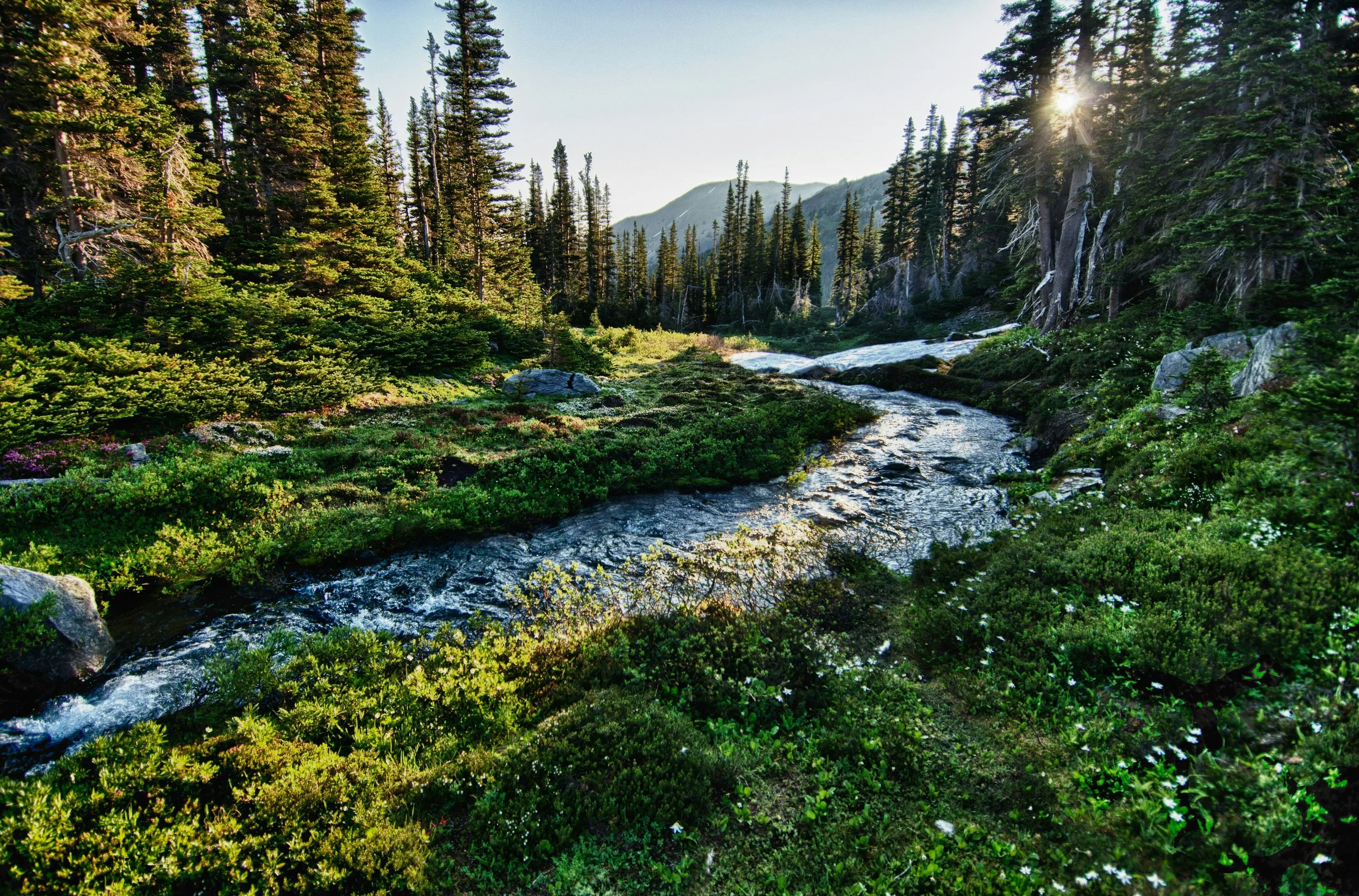
Clean drinking water is one of the most important parts of any camping or backpacking trip. When you're camping at a developed campground, you may have access to potable water. But if you're hiking, backpacking, or exploring more remote areas, you'll likely need to treat natural water sources before drinking.
Even water that looks clean can contain bacteria, parasites, or other microorganisms that can make you sick. The good news is that purifying water in the outdoors is easier than most beginners think. With a few simple tools and techniques, you can safely drink from lakes, rivers, and streams.
Here are the most common and reliable ways to purify water while camping.
Start With the Cleanest Source Possible
Before treating water, it's always best to collect from the cleanest source you can find.
Look for:
Moving water like streams or rivers instead of stagnant ponds
Clear water rather than muddy or cloudy water
Water upstream from campsites or trails
Avoid collecting water near areas where animals gather or where people may wash dishes or bathe.
Pro Tip: If the water is cloudy, let it sit for a few minutes so sediment settles before treating it.
Method 1: Boiling Water
Boiling is one of the oldest and most reliable ways to purify water.
Heat kills harmful microorganisms like bacteria, viruses, and parasites.
How to do it:
Bring water to a rolling boil.
Let it boil for at least one minute.
At higher elevations (above 6,500 feet), boil for three minutes.
Let the water cool before drinking.
Boiling works well for both campers and backpackers, especially if you're already cooking meals over a stove or fire.
Gear that helps:
Durable camp pots
Compact backpacking burners
Method 2: Water Filters
Water filters are one of the most popular solutions for campers and backpackers because they’re fast and convenient.
Portable filters remove bacteria, protozoa, and sediment while you drink or fill bottles.
There are several types of filters:
Pump filters – manually pump water through a filter
Squeeze filters – squeeze water through a small filter into a bottle
Gravity filters – hang a bag and let gravity do the work
Straw filters – drink directly from the source
Most beginner campers prefer squeeze filters or gravity filters because they’re simple and lightweight.
Affiliate opportunities: portable water filters and backpacking filtration systems.
Method 3: Chemical Water Treatments
Chemical treatments are another lightweight and effective option.
These typically come in the form of purification tablets or liquid drops. They kill bacteria, viruses, and parasites after a short waiting period.
How to use them:
Fill your water bottle.
Add the recommended number of tablets or drops.
Wait the required time (usually 30–60 minutes).
Pros:
Very lightweight
Easy to carry
Good emergency backup
Cons:
Waiting time
Some people notice a slight taste
Many experienced backpackers carry chemical tablets as a backup in case their filter fails.
Affiliate opportunities: water purification tablets.
Don’t Forget Safe Water Storage
Purifying water is only part of the process. You also need a clean way to carry and store it.
Popular options include:
Hydration bladders for hiking and backpacking
Reusable water bottles
Collapsible water containers for camp storage
Hydration systems are especially helpful because they allow you to drink easily while hiking without stopping.
Affiliate opportunities: hydration bladders and collapsible water containers.
When Should You Treat Water?
In general, you should always treat natural water sources, even if they look clean.
Common waterborne illnesses like Giardia and Cryptosporidium can cause severe stomach problems and quickly ruin a camping trip.
A simple filter, boil, or treatment tablet is all it takes to stay safe.
Final Thoughts
Learning how to purify water is one of the most valuable outdoor skills a camper can have. Whether you’re backpacking deep into the wilderness or just spending a weekend at a remote campsite, safe water gives you the freedom to explore without worry.
The good news is that you don’t need complicated gear or survival training. A simple water filter, a few purification tablets, or the ability to boil water can make almost any natural source safe to drink.
Plan ahead, carry the right tools, and you’ll always have the clean water you need for your next adventure.
Happy camping,
JP