Beginner Backpacking: Planning Your First Overnight Trip
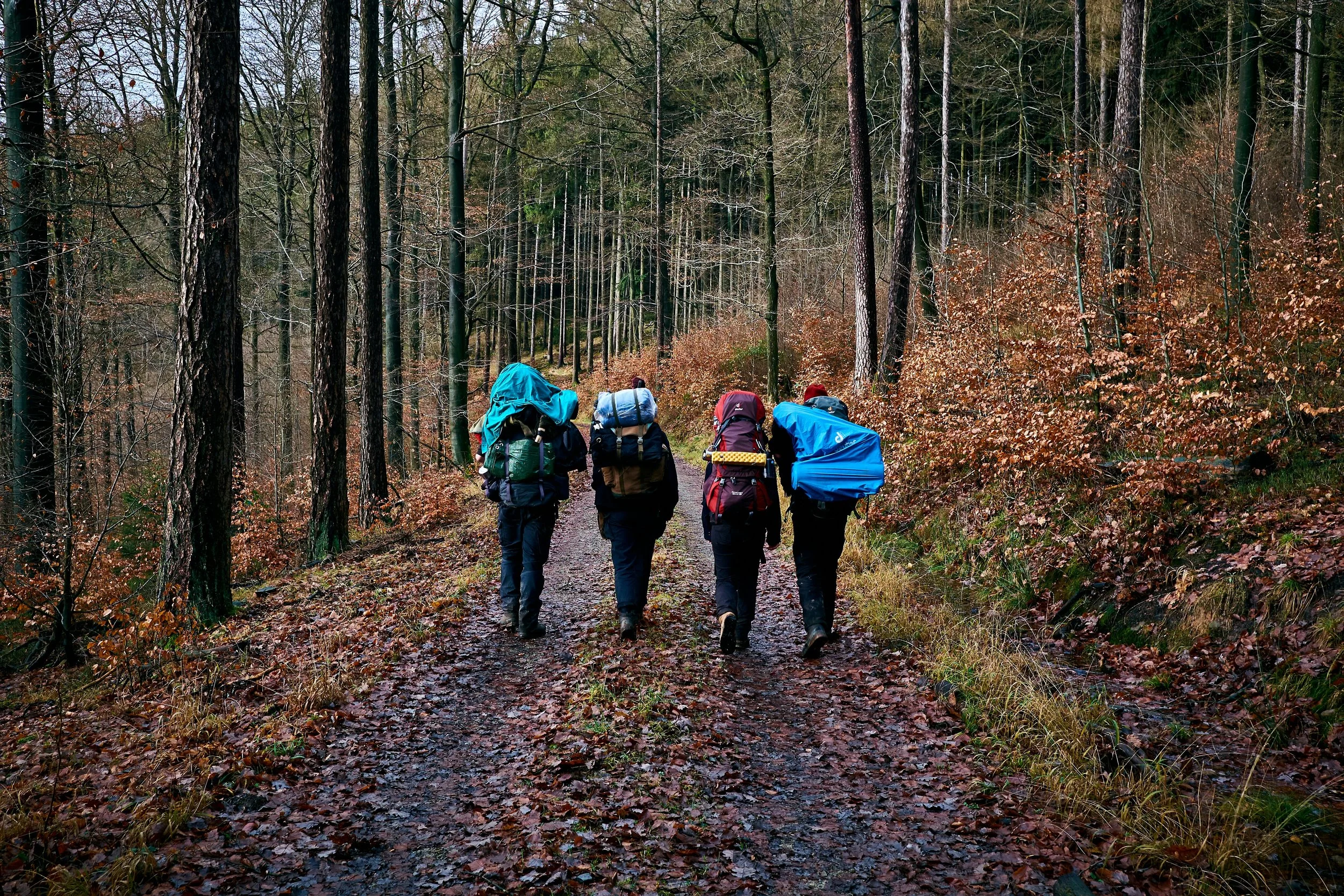
There’s something different about backpacking. It’s not just camping; it’s carrying everything you need on your back, heading into the quiet, and fully disconnecting for a night or two.
If you’re new to it, though, planning your first overnight trip can feel overwhelming. How far should you go? How much should you carry? What if you pick the wrong trail?
The good news is this: your first backpacking trip doesn’t need to be extreme to be memorable. In fact, the best first trips are simple, short, and well-planned.
This guide will walk you through the three biggest keys to a successful first backpacking trip: choosing the right route, managing pack weight, and pacing yourself.
Step 1: Choose a Beginner-Friendly Route
Your route can make or break your first trip.
The goal isn’t distance or difficulty — it’s building confidence.
What to Look For in a First Route:
Short distance: 2–5 miles (one way) is ideal
Well-marked trails: Easy to follow, low risk of getting lost
Established campsites: Designated spots reduce stress
Water access nearby: So you don’t have to carry everything in
Moderate elevation: Avoid steep climbs early on
Out-and-back trails are great for beginners because they’re simple to navigate. Loop trails can work too, but only if they’re clearly marked.
Pro Tip: Read recent trail reviews online to get real-world insight into trail conditions. And download the trail map to your phone, just in case you lose signal.
Step 2: Keep Your Pack Weight Under Control
If there’s one mistake almost every beginner makes, it’s overpacking.
A heavy pack turns a fun hike into a grind.
A Good Rule of Thumb: Your pack should weigh no more than 20–25% of your body weight.
Focus on the Essentials
Stick to the basics:
Shelter
Sleep system
Food and water
Clothing layers
Navigation and safety items
Everything else is optional.
Choose Lightweight Gear Where It Matters
You don’t need ultralight gear for your first trip, but lighter options make a big difference.
A lightweight tent reduces bulk and strain
Compact sleeping gear saves space
Multipurpose items reduce overall load
Cut the “Just in Case” Items
It’s tempting to pack for every possible scenario. Try to resist that urge.
Ask yourself: “Will I realistically use this on a one-night trip?”
If the answer is no, leave it behind.
Step 3: Plan Your Pacing (This Is Huge)
Backpacking isn’t a race.
One of the most common beginner mistakes is underestimating how long things take, especially with a loaded pack.
Set a Comfortable Hiking Pace
For beginners:
Plan for 1.5–2 miles per hour
Add extra time for breaks, photos, and navigation
A 3-mile hike might take 2 hours or more with a full pack, and that’s completely normal.
Start Early in the Day
Give yourself plenty of daylight:
Start hiking in the morning or early afternoon
Aim to reach camp with time to set up, eat, and relax
Setting up a tent in the dark on your first trip? Not fun.
Take Breaks Before You Need Them
Short, regular breaks help you stay energized:
Take a 5–10 minute break every hour
Drink water and snack consistently
Adjust layers to avoid overheating or getting chilled
Use Trekking Poles for Stability
Trekking poles can make a huge difference, especially on uneven terrain.
They help:
Reduce strain on knees
Improve balance
Make uphill and downhill sections easier
Step 4: Keep Your First Trip Simple
You don’t need to “prove” anything on your first backpacking trip.
Keep it:
Short
Close to home
Easy to exit if needed
Even a one-night, 2-mile trip is a huge win.
The goal is to learn:
How your gear works
What you actually use
What you’d change next time
Step 5: Have a Basic Plan (and Share It)
Before heading out:
Map your route
Identify your campsite
Know your water sources
Check weather conditions
And always:
Share your plan with someone at home
Tell them when you’ll return
It’s a simple step that adds a layer of safety.
Final Thoughts
Your first backpacking trip doesn’t need to be epic to be successful.
In fact, the best first trips are the ones where:
Your pack feels manageable
Your route feels doable
Your pace feels comfortable
Focus on those three things—route, weight, and pacing—and you’ll set yourself up for a great experience.
From there, every trip gets easier. You’ll refine your gear, learn your preferences, and build confidence with every mile.
And before long, what once felt intimidating will feel second nature.
Start simple. Stay patient. Enjoy the journey.
Happy camping,
JP