How to Keep Animals Away from Your Campsite
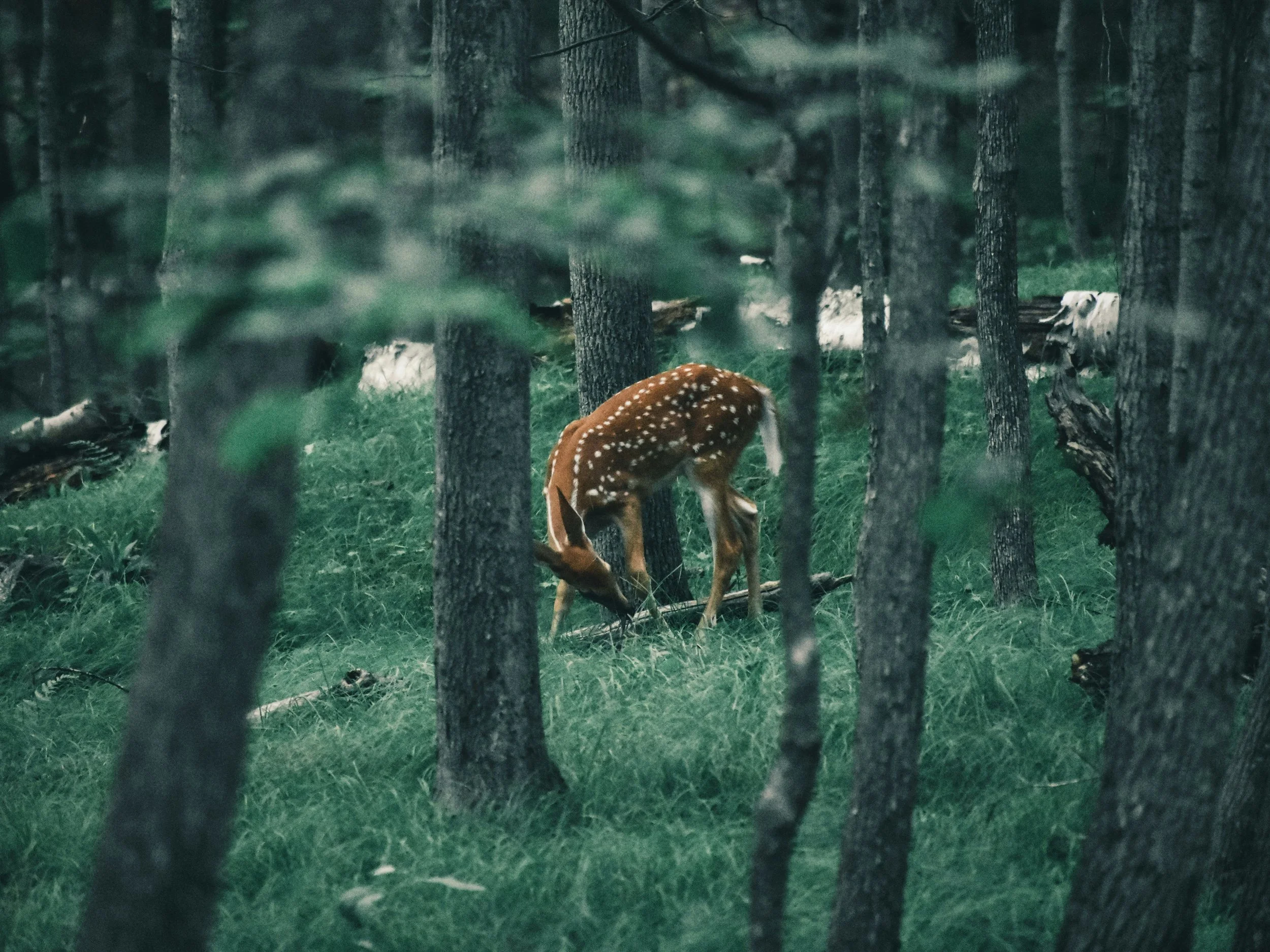
Sharing the outdoors with wildlife is part of what makes camping special; hearing owls at night, spotting deer in the morning, or catching a glimpse of a fox near the tree line. But while animals are wonderful to observe, we don’t want them getting into our food, stealing our snacks, or wandering through camp while we sleep.
The good news? With a few simple habits, you can keep wildlife at a safe distance while still enjoying the experience of being out in nature. Here’s how to set up and maintain a campsite that stays clean, calm, and critter-free.
1. Store Food Properly
Animals have incredible senses of smell, and they will always be curious about food.
Use bear-proof containers where required.
In other areas, a sealed cooler or sturdy plastic storage bin works.
Keep all food in your car when possible.
Never store food or snacks inside your tent.
Pro Tip: This includes everything with a scent, like toothpaste, chapstick, flavored drinks, and even trash.
2. Clean Up After Every Meal
Leaving crumbs or pots out is like hanging up a giant “Dinner’s Ready!” sign for wildlife.
Wash dishes right after eating.
Wipe down picnic tables and cooking surfaces.
Throw away all food scraps — don’t leave them in the fire pit.
Store garbage in a sealed bag or animal-proof bin.
If there are no trash cans nearby, pack it out with you.
3. Choose Your Campsite Wisely
Before you set up your tent:
Avoid areas with lots of animal tracks or droppings.
Don’t camp next to berry patches or fruit trees.
Stay at least 200 feet from rivers or streams, where animals often travel.
Campsites that look very “wild” are often busy animal highways at night.
4. Create Space Between Cooking and Sleeping
The area where you eat should not be the area where you sleep.
Cook at least 50–100 feet away from your tent.
Store coolers and food even farther if possible.
Never go to bed wearing clothes that smell like dinner.
Cooking smells can cling to fabric, especially bacon-level smells.
5. Keep Your Campsite Clean and Calm
Animals are less likely to approach active or tidy camps.
Keep gear put away instead of scattered.
Hang items to dry instead of leaving them on the ground.
Make some noise during daylight (normal talking is enough).
A clean campsite is a safe campsite.
FAQs: Keeping Wildlife Away From Camp
Q: What if I’m camping in bear country?
A: Check the campground rules, many locations provide bear lockers. Use them. If backcountry camping, learn how to hang a bear bag or use a bear canister.
Q: Can I feed animals if they seem friendly?
A: No. Feeding wildlife teaches them to rely on humans, which is dangerous for you and can be deadly for them.
Q: What smells attract animals besides food?
A: Toiletries, scented wipes, lotions, deodorant, sunscreen, and garbage can all draw animals. Store them like you store food.
Q: Do campfires keep animals away?
A: Not really. Some animals are curious and will come close even if a fire is lit.
Final Thoughts
Most animals don’t want to bother you. They’re just searching for food. By storing your gear correctly, keeping your cooking area clean, and staying mindful of smells, you’ll make your campsite a safe and peaceful space for everyone, including the wildlife.
Keep it tidy. Keep it calm. Keep it respectful.
And the only animal tracks you’ll see at camp will be the ones you admire, not the ones sniffing around your tent.
Happy camping,
JP