Essential Skills Every New Camper Should Learn
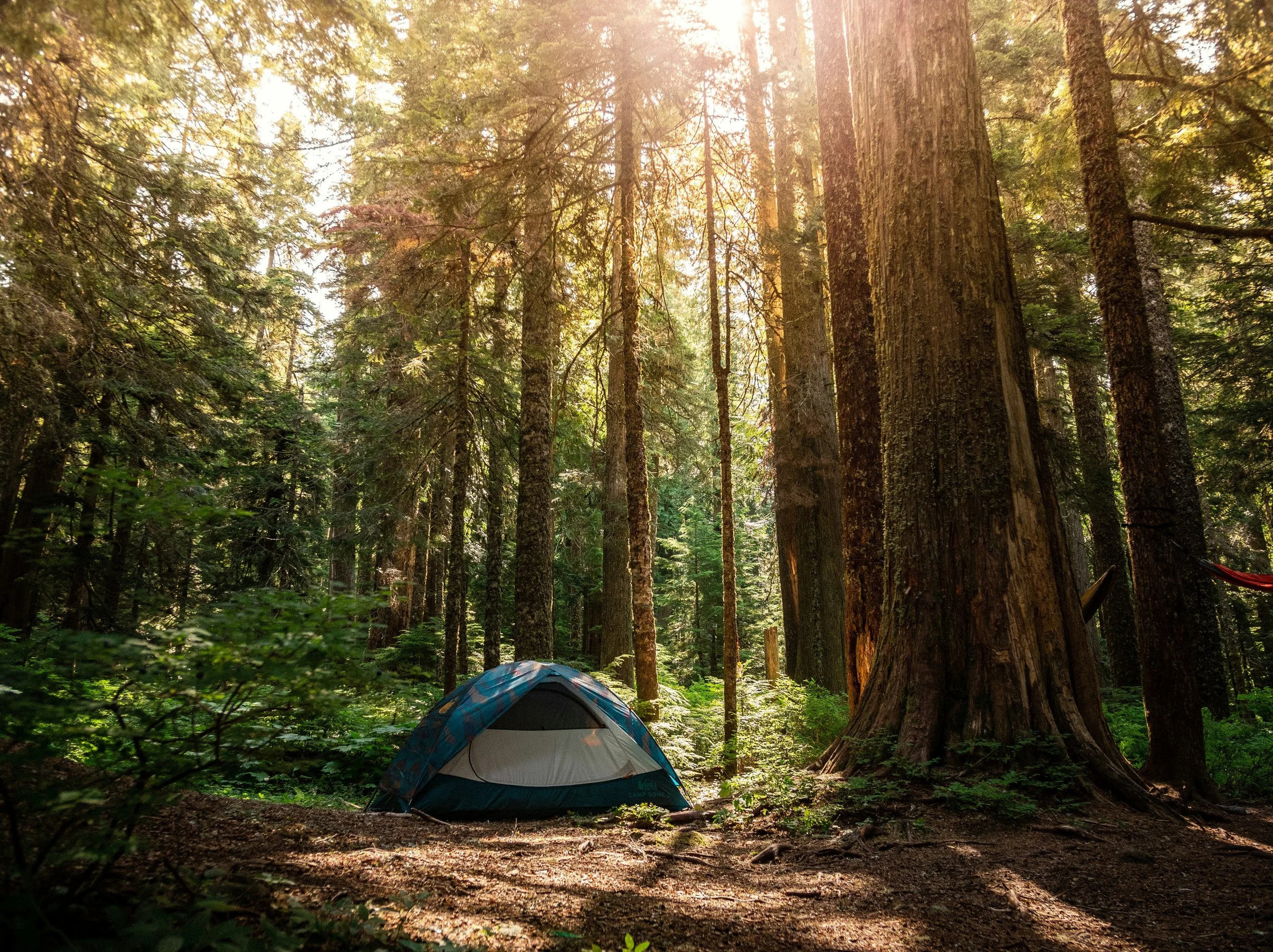
Heading out on your first camping trip is exciting. Fresh air, wide-open spaces, and the chance to slow down for a while. But to really enjoy the outdoors, it helps to learn a few foundational skills that make camping safer, smoother, and more fun.
You don’t need to be a wilderness expert or a survival show champion. Just mastering these simple basics will give you the confidence to relax and truly enjoy your time outside.
Let’s walk through the essential skills every new camper should learn.
1. How to Choose and Set Up a Campsite
Picking the right site makes your whole trip better.
What to look for:
Flat, level ground for your tent
Shade during the hottest part of the day
Good distance from rivers or lakes (avoid low spots that could flood)
No dead branches hanging overhead (called “widowmakers”)
Once you’ve picked a spot, practice pitching your tent before your trip. Knowing how it goes together makes setup quick and stress-free.
Pro Tip: Bring a small doormat or towel for the tent entrance — it keeps dirt outside where it belongs.
2. How to Start and Manage a Campfire
Campfires make evenings at camp cozy and memorable, but safety should always come first.
Know how to:
Check whether fires are allowed (some areas restrict them during dry seasons)
Use an existing fire ring when possible
Gather firewood from the ground, not live trees
Build a small fire, not a bonfire
Always have water nearby to fully extinguish the fire before bed or leaving camp.
Pro Tip: If fire bans are in place, bring a small camp stove — no sparks, and your coffee is safe.
Learn more about building a camp fire.
3. Basic Outdoor Cooking
You don’t need gourmet skills to cook outside, just some simple know-how.
Start with meals like:
Pasta with jarred sauce
Instant oatmeal and fruit
Foil-pack veggies or potatoes cooked on coals
Keep your cooking setup simple: one burner + one pot + one pan is plenty for beginners.
Pro Tip: Prep ingredients at home to cut down mess and save time.
4. How to Stay Safe in the Outdoors
A little awareness goes a long way.
Always let someone know where you’ll be and when you’ll return
Carry a map (yes, even if you have GPS)
Learn how to use a basic first aid kit
Drink plenty of water and take breaks while hiking
Pro Tip: Download offline maps before leaving cell coverage.
5. Respecting Nature: Leave No Trace
These seven simple principles help protect the wild places we love:
Pack out all trash
Stay on marked trails
Keep food stored properly
Observe wildlife from a distance
The goal: Enjoy nature without leaving a mark behind.
6. How to Keep a Clean Campsite
A tidy campsite:
Helps you find your gear quickly
Prevents animals from wandering in
Makes packing up much easier
Store all food when you’re not cooking, and keep garbage sealed. A clean camp is a happy camp.
Final Thoughts
Camping is a skill, and like any skill, you get better with practice. Start small, keep it simple, and enjoy the process of learning. Every trip will teach you something new.
The real goal isn’t perfection. It’s being present, watching the stars, listening to crackling firewood, and reconnecting with the quiet parts of life.
Here’s to your first (or next) great adventure.
Happy camping,
JP