Beginner’s Guide to Leave No Trace Principles
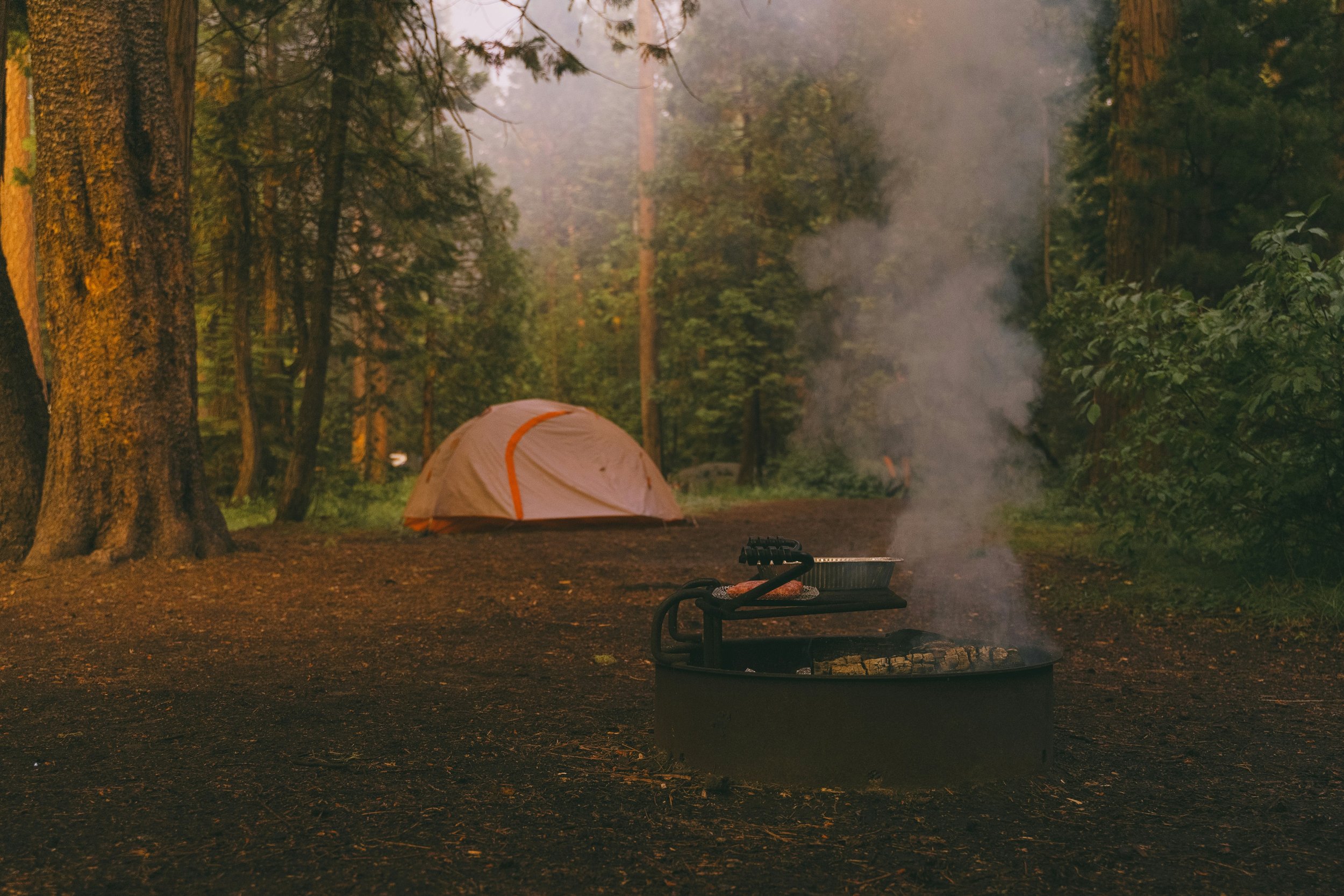
One of the great joys of camping is getting to experience nature in its truest form; quiet trails, fresh air, star-filled skies. But the outdoors only stays beautiful if we take care of it. That’s where the Leave No Trace principles come in. These simple guidelines help us protect the environment so future campers can enjoy it just as much as we do.
If you’re new to camping, don’t worry, you don’t have to be perfect. Leave No Trace is about making intentional, thoughtful choices. This guide walks you through the basics in a way that’s easy to understand and even easier to practice.
1. Plan Ahead and Prepare
Good planning helps prevent damage to natural areas.
Check campground rules and weather
Pack reusable containers instead of single-use plastics
Know how to store food safely
A little prep means fewer surprises and fewer accidents — like wandering off-trail because the map stayed at home.
2. Travel and Camp on Durable Surfaces
Stick to marked trails and designated campsites. The ground in these areas is already hardened by use, so you’re not harming plants or soil.
Camp on gravel, dirt, rock, or established sites
Avoid delicate grasses and wildflowers
If you’re backpacking, look for spots where vegetation is already cleared.
3. Dispose of Waste Properly
Everything you bring in, take back out.
Pack out all trash, food scraps, and wrappers
Strain dishwater to remove small food bits before disposing
Store waste away from water sources
If you're wondering, yes, this includes orange peels and sunflower seed shells. They do not magically disappear overnight.
4. Leave What You Find
It’s tempting to take a cool rock or pretty pinecone home, but keeping natural items where they belong helps preserve the ecosystem.
Snap photos instead of collecting souvenirs
Don’t carve names into trees or rocks
Leave natural and cultural artifacts untouched
Think of it this way: you wouldn’t want everyone who visits to take something, right?
5. Minimize Campfire Impact
Campfires are wonderful, but they need to be handled responsibly.
Use designated fire rings
Keep fires small
Never leave a fire unattended
Put fires completely out, cold to the touch
If fire restrictions are in place, stick to a camp stove instead.
6. Respect Wildlife
Part of the magic of camping is seeing animals in their natural homes. Help keep them wild and safe.
Observe from a distance
Never feed animals
Store food securely
Feeding wildlife might feel kind, but it teaches animals to rely on humans, and that becomes dangerous fast.
7. Be Considerate of Others
Nature is something we share. A little courtesy goes a long way.
Keep voices and music low
Stay on your side of shared campsites
Don’t walk through other people’s tent areas
Everyone deserves the chance to enjoy peace and quiet outdoors.
Final Thoughts
Leave No Trace isn’t about perfection, it’s about mindfulness. Every small choice adds up to cleaner trails, healthier wildlife, and more beautiful places to explore. When we respect nature and each other, camping becomes safer, richer, and more meaningful.
So pack smart, tread softly, and enjoy the adventure. The outdoors thanks you, and so will the campers who come after you.
Happy camping,
JP