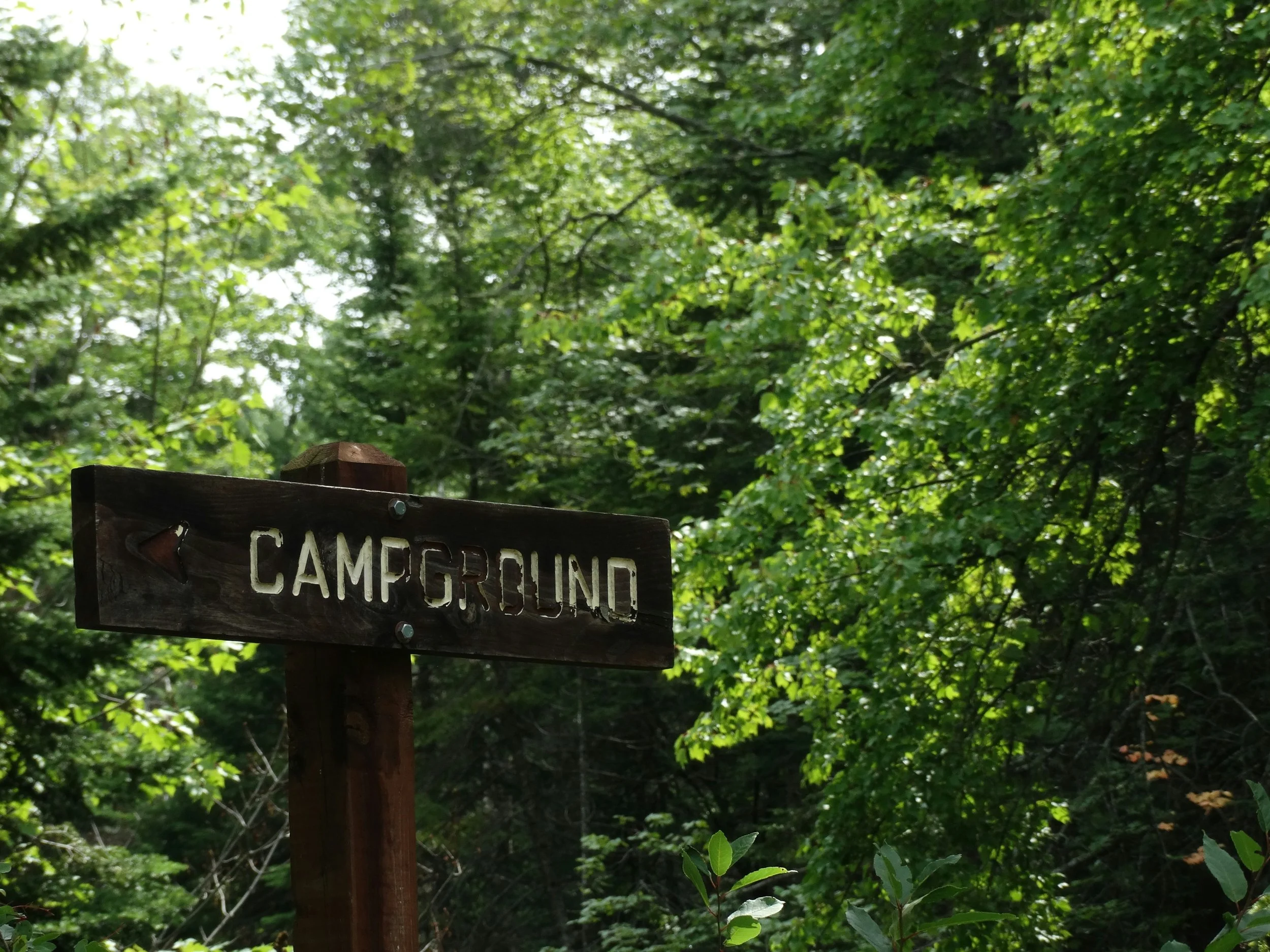
Choosing the right campsite can make or break your camping trip. You might have great gear and perfect weather, but if your site is noisy, windy, or packed in like a parking lot, the experience can quickly lose its charm. The good news? Picking a good campsite is a skill you can learn, and once you know what to look for, it gets much easier.
Whether you’re booking online or pulling into a campground for the first time, here’s how to choose a campsite that sets you up for a comfortable, relaxing stay.
1. Look for Privacy (When Possible)
Not all campsites are created equal. Some feel peaceful and secluded, while others are practically on top of your neighbors.
When choosing a site, look for:
Natural barriers like trees, bushes, or elevation changes
Sites on the edge of the campground rather than in the middle
End sites or corner sites, which usually have fewer neighbors
If you’re booking online, campground maps and photos are your best friends. Zoom in and look for spacing between sites. If you arrive without a reservation, take a slow drive through the campground before claiming a spot.
Pro Tip: A little extra walking distance to bathrooms or parking often means more privacy and less foot traffic.
2. Pay Attention to Sun and Shade
Sun exposure plays a big role in comfort, especially during warmer months.
Consider:
Morning sun can help dry out dew and warm things up early
Afternoon shade keeps your tent cooler and makes relaxing more comfortable
Sites with no shade can feel brutal in summer
If shade is limited, this is a great place to use a shade tarp or canopy to create your own covered area for cooking or lounging. A lightweight camp chair also becomes much more enjoyable when you’re not baking in direct sunlight.
3. Think About Wind Direction and Protection
Wind is one of the most overlooked campsite factors, until it’s whipping through your tent all night.
Look for:
Sites protected by trees, hills, or rock formations
Avoid exposed hilltops or wide-open fields if it’s windy
Position your tent so doors face away from strong winds
Natural windbreaks make a huge difference in warmth, noise, and overall comfort, especially in cooler seasons.
4. Choose Smart Proximity to Facilities
Being close to restrooms, water spigots, and dumpsters sounds convenient — and sometimes it is — but there’s a trade-off.
Too close can mean:
More noise and foot traffic
Headlights and car doors late at night
Less privacy
Too far can mean:
Long walks in the dark
Inconvenience for kids or nighttime bathroom trips
Aim for a middle ground: close enough to be convenient, far enough to stay peaceful.
5. Check the Ground Before You Set Up
Before pitching your tent, take a minute to inspect the ground.
Look for:
Flat, level areas (your back will thank you)
Good drainage — avoid low spots where water could pool
No rocks, roots, or ant hills
No dead branches hanging overhead (“widowmakers”)
If the site has a picnic table or fire ring, make sure there’s still enough flat space for your tent.
6. Think About How You’ll Use the Space
Your campsite isn’t just for sleeping; it’s where you’ll relax, eat, and unwind.
Ask yourself:
Is there room to set up camp chairs comfortably?
Do I have space to cook safely away from my tent?
Is there room for a tarp, hammock, or kids to play?
A site that feels cramped can make even short trips feel stressful.
Final Thoughts
Choosing the right campsite doesn’t require luck, just a little awareness. By thinking about privacy, shade, wind, and layout, you can turn an average campground into a great camping experience.
Over time, you’ll develop your own preferences, but these basics will help you start strong. A good campsite makes everything else easier — better sleep, better meals, and better memories.
Take your time, look around, and don’t be afraid to walk away from a site that doesn’t feel right. The perfect spot is worth it.
Happy camping,
JP