How to Pack Your Car for Camping Like a Pro
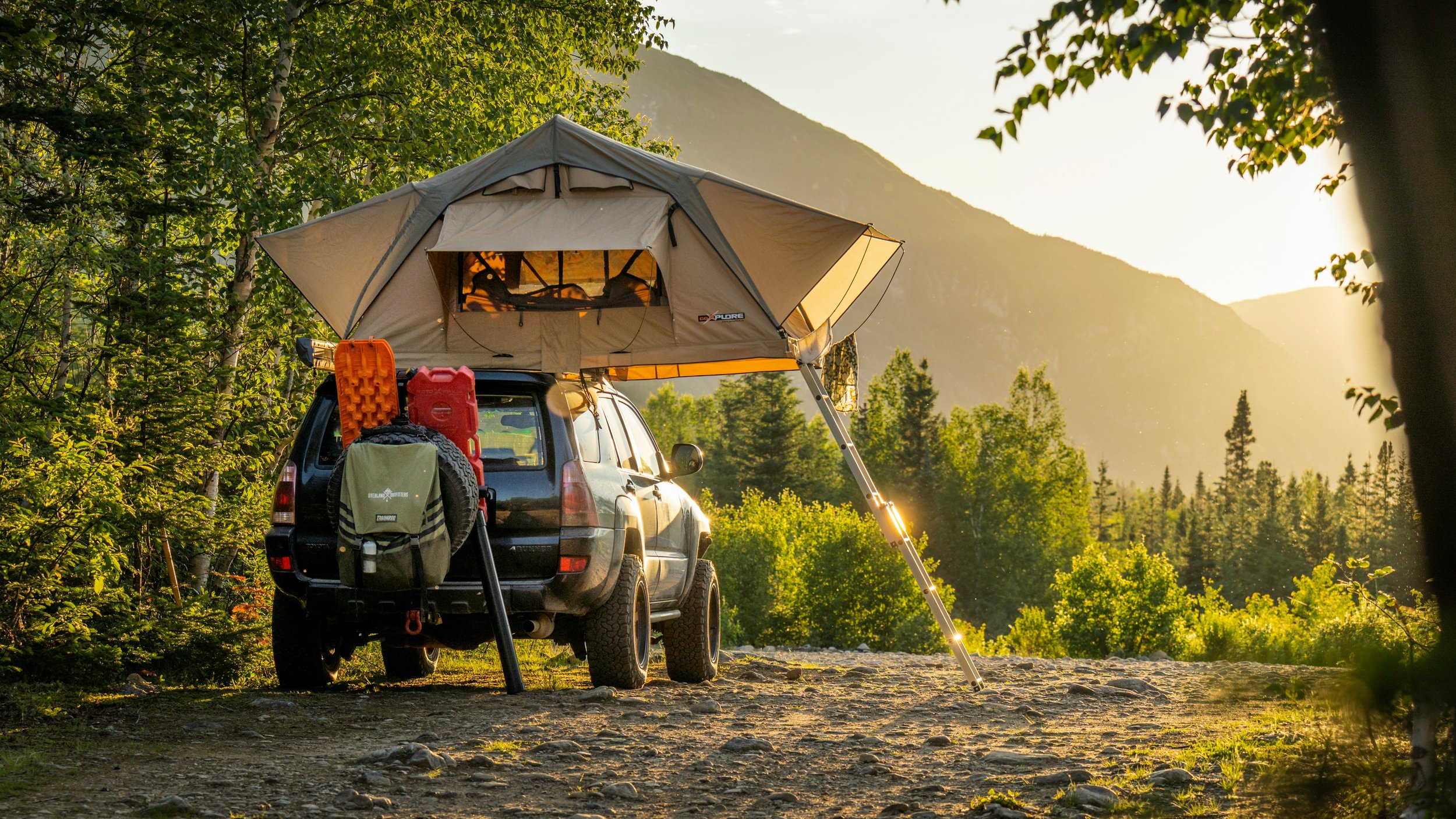
One of the most underrated camping skills isn’t building a fire or pitching a tent, it’s packing your car. A poorly packed vehicle can turn a simple setup into a frustrating scavenger hunt, while smart packing makes camp life smoother from the moment you arrive.
The good news? You don’t need a fancy roof box or years of experience to pack like a pro. With a little planning and a smart strategy, you can fit everything you need, keep essentials easy to reach, and avoid unpacking half your car just to find a flashlight.
Here’s how to pack your car for camping the right way.
Step 1: Group Gear by Category
Before anything goes into your vehicle, organize your gear into categories. This helps you see what you’re bringing and prevents overpacking.
Common camping categories:
Shelter & sleep (tent, sleeping bags, pads, pillows)
Cooking & food (stove, cooler, cookware, food bins)
Clothing & personal items
Tools & safety gear
Comfort items (camp chairs, games, lanterns)
Pro Tip: Use bins or duffel bags for each category. Clear bins are especially helpful for beginners because you can see what’s inside without digging.
Step 2: Load Heavy Items First (and Low)
Heavier gear should go in first and stay low in the vehicle. This keeps things stable while driving and prevents lighter items from getting crushed.
Load first:
Food storage bins
Place these items closest to the back seats or cargo floor. Avoid stacking heavy items on top of soft gear like sleeping bags or clothing.
Step 3: Pack by When You’ll Need It
Think about your trip in phases: arrival, setup, daily camp life, and departure.
Easy-access items (pack last or near the top):
Tent stakes and mallet
Headlamp or flashlight
Rain gear
These are the first things you’ll need when you arrive at camp. If they’re buried at the bottom, you’ll end up unpacking everything just to get started.
Pro Tip: Keep a small “arrival kit” with a headlamp, gloves, and multi-tool. It’s a lifesaver if you arrive close to dark.
Step 4: Keep Food and Cooking Gear Together
Designate one area of your car for anything food-related. This makes setup, cooking, and cleanup much easier.
Include:
Cooler
Food bins
Stove and fuel
Cooking utensils
Trash bags
If possible, pack these near the back hatch so you can pull them out together. This also helps with wildlife safety, since you’ll know exactly where all scented items are.
Step 5: Protect Soft Gear
Sleeping bags, pillows, and clothing should stay clean and dry.
Best practices:
Use duffel bags or compression sacks
Keep them off the floor if there’s a risk of spills
Avoid placing sharp or heavy items on top
If rain is in the forecast, consider packing soft gear in waterproof bags or trash compactor bags for extra protection.
Step 6: Use the “Vertical Space” Wisely
When space is tight, stack lighter items on top of heavier ones and use gaps strategically.
Good items for top layers:
Sleeping pads
Camp chairs
Blankets
Shade tarps or ground cloths
Camp chairs are a great example of gear you’ll use daily. Pack them where they’re easy to grab without unloading the car.
Step 7: Save a Small Space for the Trip Home
Camping gear never packs back quite as neatly as it did at home. Leave a little extra room so you’re not forcing everything to fit on the return trip.
Pro Tip: Bring a collapsible laundry bag or tote for dirty clothes. It keeps things organized and frees up mental space when packing up.
Final Thoughts
Packing your car well sets the tone for the entire camping trip. When your gear is organized, accessible, and protected, setup is faster, stress is lower, and you spend more time enjoying the outdoors instead of digging through piles of stuff.
Like most camping skills, packing gets better with practice. After each trip, take note of what worked, what didn’t, and what you wished you’d packed differently.
A little planning goes a long way, and once you pack like a pro, you’ll never go back to chaos-in-the-trunk camping again.
Happy camping,
JP