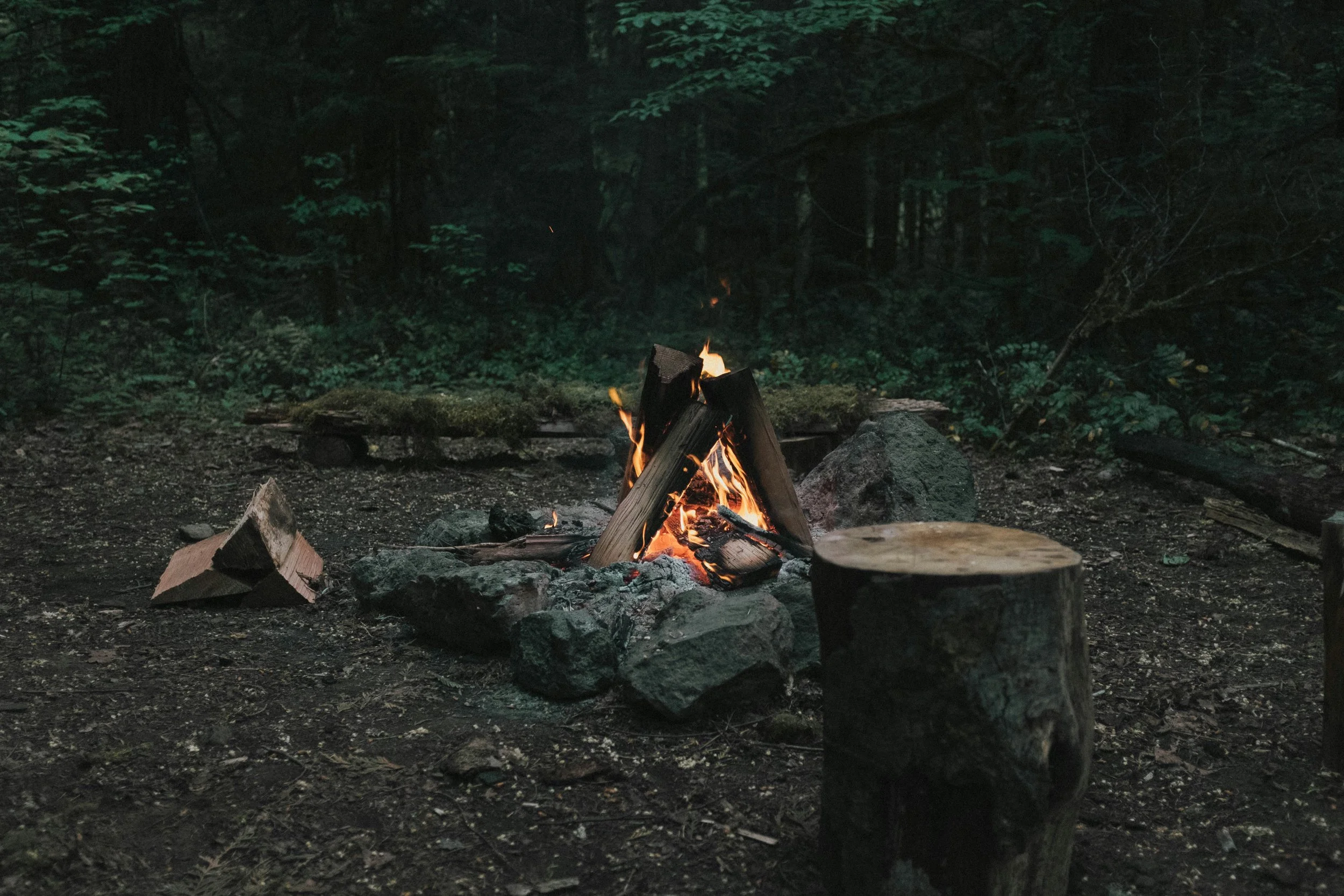
There’s something timeless about a campfire. The warmth, the crackle, the way it pulls people together at the end of the day. But as comforting as campfires are, they also come with responsibility. Every year, many wildfires start from unattended or improperly extinguished campfires, and the good news is that most of them are preventable.
Whether you’re brand new to camping or just want to tighten up your habits, this guide will walk you through how to build, manage, and fully extinguish a campfire safely so you can enjoy it with confidence.
Step 1: Check the Rules Before You Light Anything
Before you even think about striking a match, make sure campfires are allowed where you’re staying.
Check campground rules or posted signs
Look for local fire restrictions or burn bans
Only use designated fire rings when provided
If fires aren’t allowed, don’t try to bend the rules. A camp stove is a safe, reliable alternative for cooking and warmth.
Step 2: Choose the Right Spot
If your campground has a fire ring, use it — no exceptions. Fire rings are placed with safety in mind.
If fires are permitted without a ring (less common):
Clear a 10-foot area down to dirt
Stay away from tents, trees, and low-hanging branches
Never build a fire on grass or roots
Pro Tip: Avoid windy conditions. Even a small gust can carry sparks farther than you expect.
Step 3: Gather the Right Firewood
Only burn firewood that’s allowed and locally sourced.
Use dry, dead wood found on the ground or purchased firewood
Never cut live trees or branches
Don’t bring firewood from far away. It can spread invasive pests
Firewood basics:
Tinder: Small, dry material (paper, dry leaves, fire starters)
Kindling: Twigs and small sticks
Fuel wood: Larger logs
Keep your firewood stack a safe distance from the fire.
Step 4: Build a Small, Controlled Fire
Bigger is not better when it comes to campfires.
Start small and build gradually
Use a simple teepee or log cabin structure
Add wood slowly as the fire grows
A manageable fire:
Uses less wood
Is easier to control
Produces fewer sparks
Never use gasoline, lighter fluid, or other accelerants. They’re dangerous and unnecessary.
Step 5: Never Leave a Fire Unattended
This is one of the most important campfire rules.
Always have an adult watching the fire
Keep water, dirt, or sand nearby
Don’t leave the fire burning when you leave camp or go to sleep
If you’re done for the evening, it’s time to put the fire out completely.
Step 6: How to Extinguish a Campfire Properly
A fire isn’t out until it’s cold to the touch.
Follow these steps:
Let the fire burn down to ash
Pour water slowly over all embers (listen for hissing)
Stir ashes and embers with a stick or shovel
Add more water and stir again
Feel for heat with the back of your hand (carefully)
If it’s still warm, it’s not out. Repeat the process until everything is cold.
Never bury a fire with dirt alone. Hot embers can stay hidden and reignite.
Common Campfire Safety Mistakes to Avoid
Leaving a fire smoldering overnight
Burning trash or food scraps
Building fires too large
Assuming rain will “put it out”
Walking away because it looks out
Campfires deserve your full attention from start to finish.
Final Thoughts
A safe campfire is one of the best parts of camping. It provides warmth, light, and connection — without risk — when handled responsibly. Taking a few extra minutes to build it properly and extinguish it completely protects the outdoors and ensures campers after you can enjoy the same experience.
Respect the fire. Respect the land. And enjoy every moment around the flames.
Happy camping,
JP