How to Sleep Warm and Comfortable in a Tent
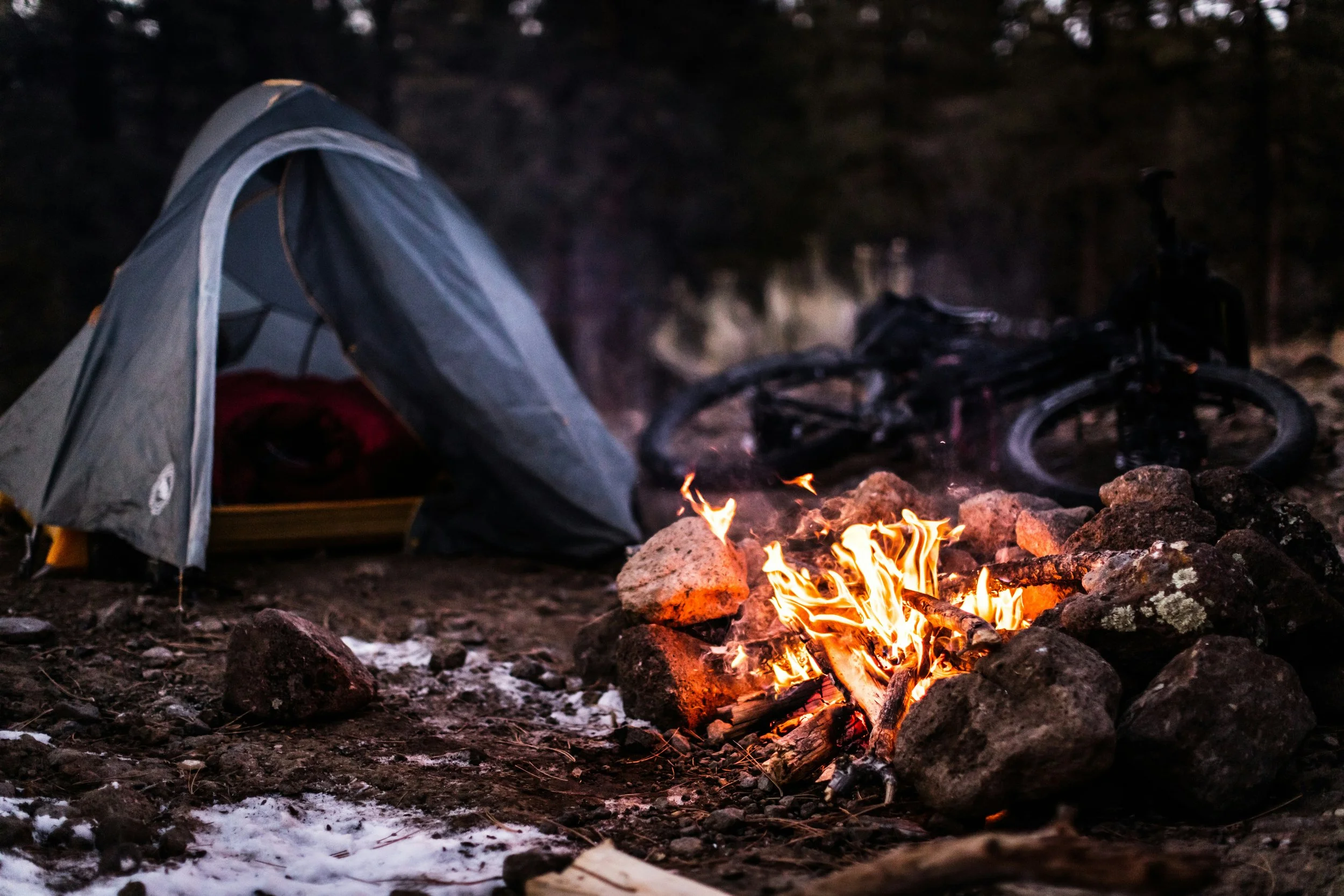
Camping in colder weather can be peaceful and incredibly rewarding. Fewer crowds, crisp air, and quiet nights under the stars. But if you’re not prepared, a cold night in a tent can quickly turn uncomfortable. The good news? Staying warm while camping doesn’t require extreme gear or survival skills. It’s all about smart layering and simple warmth strategies.
Whether you’re winter camping or heading out during chilly shoulder-season nights, this guide will help you sleep comfortably and wake up ready for adventure.
Start From the Ground Up
The cold doesn’t just come from the air, it comes from the ground.
One of the most important pieces of cold-weather camping gear is a sleeping pad. Pads provide insulation by creating a barrier between you and the cold ground.
Foam pads are affordable and durable
Inflatable pads offer more comfort and insulation
Look for a higher R-value for colder temperatures. (Note: A good R-value for a sleeping pad depends on the season: 1-2 for summer, 2-4 for three-season (spring, summer, fall), and 5+ for cold-weather/winter camping, with higher numbers meaning more insulation from the ground.)
Even a warm sleeping bag won’t help much if you’re losing heat underneath you.
Choose the Right Sleeping Bag (and Boost It)
Your sleeping bag should be rated for temperatures lower than what you expect overnight. If it’s going to dip into the 30s, a bag rated for 20°F gives you a comfortable buffer.
To add extra warmth:
Use a sleeping bag liner
Add a lightweight blanket inside your bag
Make sure your bag is fully zipped and adjusted
Bag liners are especially useful for winter and shoulder seasons — they add warmth without adding much bulk.
Layer Your Sleep Clothing (Yes, It Matters)
What you wear to bed plays a big role in how warm you stay.
Best sleep layers include:
Moisture-wicking base layers (avoid cotton)
Fleece or wool mid-layers if needed
Wool socks are a cold-weather camping favorite because they stay warm even if they get slightly damp.
Pro Tip: Change into dedicated sleep clothes. The layers you hiked or cooked in may hold moisture, which makes you colder at night.
Don’t Forget Your Head and Extremities
You lose a surprising amount of heat through your head and feet.
Wear a beanie or knit hat to bed
Keep hands warm with lightweight gloves if needed
Tuck extra clothing into the foot of your sleeping bag
If your feet tend to get cold, placing tomorrow’s clothes at the bottom of your bag can add insulation.
Use Smart Tent Setup for Warmth
Your tent setup can help you stay warmer:
Choose a campsite sheltered from wind
Use your rainfly to block drafts
Vent the tent slightly to reduce condensation
Condensation can make the inside of your tent feel colder, so balanced ventilation is key.
Eat and Drink Before Bed
Fuel matters when temperatures drop.
Eat a warm, hearty meal before sleeping
Have a warm drink (like tea or hot chocolate)
Stay hydrated. Dehydration makes you feel colder
Your body burns calories to stay warm, so giving it fuel helps maintain heat through the night.
Simple Cold-Weather Hacks That Work
A few small tricks can make a big difference:
Fill a water bottle with warm (not boiling) water and place it in your sleeping bag
Use a foam sit pad under your feet
Shake out your sleeping bag before getting in to restore loft
Final Thoughts
Sleeping warm in a tent isn’t about toughing it out. It’s about preparation and smart choices. When you insulate from the ground, layer properly, and manage moisture, cold-weather camping becomes comfortable and even cozy.
Winter nights in a tent can be quiet, peaceful, and incredibly refreshing. As long as you’re warm enough to enjoy them.
Happy camping,
JP