How to Set Up a Tent (The Right Way, Every Time)
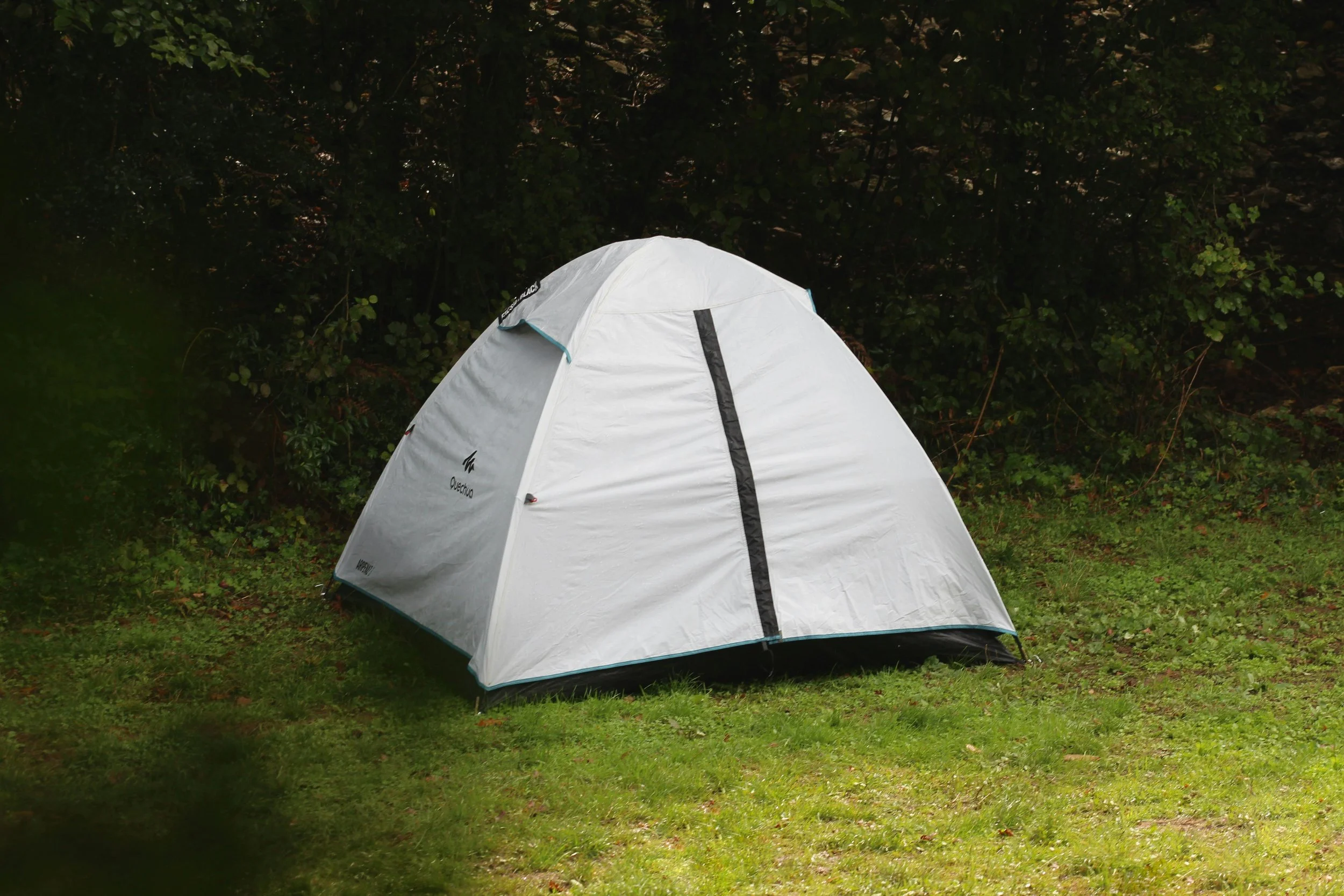
Few things can sour a camping trip faster than struggling with your tent. Bent poles, crooked stakes, and a soggy floor aren’t great ways to start an outdoor adventure. The good news? Setting up a tent correctly isn’t hard. It just takes a little preparation and the right approach.
Whether it’s your first time camping or you’re tired of guessing your way through setup, this guide will walk you through how to pitch a tent properly so it stays dry, stable, and comfortable every time.
Step 1: Choose the Right Spot
Before you even take your tent out of the bag, take a few minutes to prepare your campsite.
Look for:
Flat, level ground
Slight elevation to prevent water pooling
Natural wind protection from trees or terrain
Distance from trails and water sources
Avoid low spots, dry creek beds, or areas with exposed roots and rocks. Also look up. Dead branches (“widowmakers”) can fall in wind or storms.
Pro Tip: Walk the site before unpacking. A great tent setup starts with good placement.
Step 2: Clear and Prep the Ground
Once you’ve chosen your spot:
Remove rocks, sticks, and pinecones
Smooth out uneven areas with your foot
Lay down a ground cloth or tent footprint to protect your tent floor
A ground cloth helps prevent moisture seepage and extends the life of your tent. Just make sure it’s slightly smaller than the tent base so rainwater doesn’t collect underneath.
Step 3: Lay Out and Assemble the Tent
Unroll your tent and orient it so the door faces the direction you want; away from wind and toward views or your campsite.
Then:
Assemble tent poles fully before inserting them
Attach poles to the tent (clips or sleeves)
Stand the tent upright and shape it evenly
Take your time here. Rushing often leads to twisted poles or uneven tension.
Step 4: Stake It Down Correctly
Staking is what keeps your tent stable, especially in wind or rain.
How to stake properly:
Angle stakes away from the tent at about 45 degrees
Drive stakes until just the hook is above ground
Pull tent corners snug — tight, not stretched
If the ground is hard or rocky, a tent stake mallet makes the job much easier and helps prevent bent stakes.
Pro Tip: Upgrade the stakes that came with your tent. Budget tents often include flimsy ones.
Step 5: Add the Rainfly (Even If It’s Sunny)
Always use your rainfly, even when rain isn’t in the forecast.
Why it matters:
Protects against unexpected weather
Adds warmth and wind resistance
Improves durability
Secure the rainfly tightly and stake out any guy lines for added stability.
Step 6: Check Tension and Ventilation
Once everything is set:
Walk around the tent and adjust tension
Make sure fabric isn’t sagging
Open vents or windows for airflow
Good ventilation reduces condensation inside the tent, especially overnight.
Step 7: Practice Before Your Trip
This step is often overlooked, but it makes a huge difference.
Set up your tent at home or in a park
Learn how poles, clips, and fly attachments work
Identify missing or damaged parts
A dry backyard practice run beats learning in the rain every time.
Common Tent Setup Mistakes to Avoid
Skipping the ground cloth
Setting up in a low or sloped area
Not staking the tent fully
Ignoring wind direction
Leaving the rainfly off
Avoiding these mistakes will dramatically improve comfort and weather protection.
Final Thoughts
Setting up a tent the right way doesn’t require special skills, just a little patience and preparation. When your tent is pitched properly, you sleep better, stay dry, and enjoy camp more.
Take a few extra minutes to do it right, and your tent will reward you with comfort and peace of mind — every single trip.
Happy camping,
JP