Campfire Rules Every Camper Should Know (And Why They Matter)
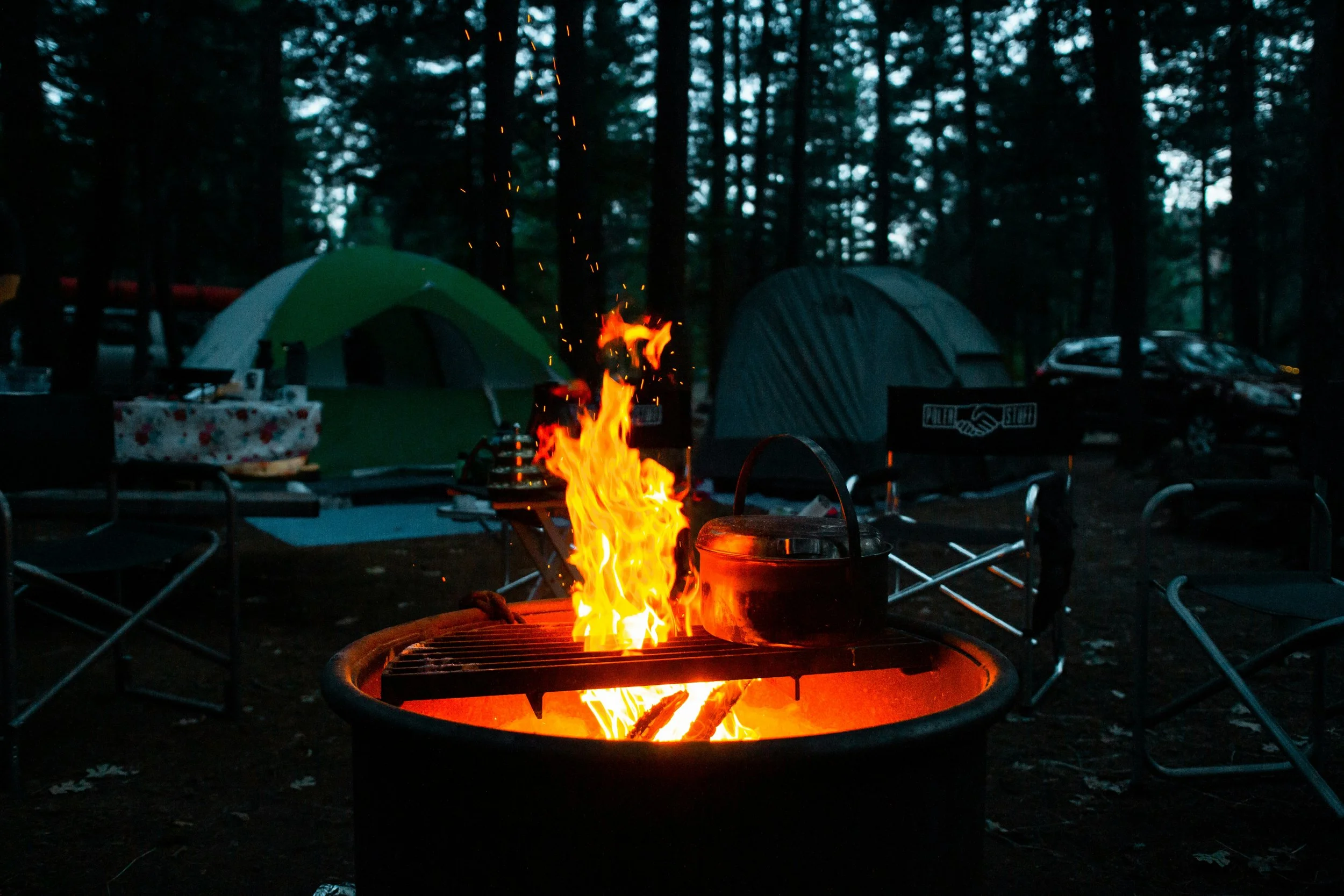
A campfire is one of the most enjoyable parts of camping. It brings warmth, light, and people together. But it’s also one of the biggest responsibilities campers have. Every year, wildfires and campground closures happen because basic campfire rules weren’t followed.
If you’re new to camping, campfire rules can feel strict or unnecessary. In reality, they exist to protect people, wildlife, and the outdoor spaces we all love. Here’s a clear, beginner-friendly breakdown of the most important campfire rules. And why they truly matter.
1. Always Check Local Fire Rules
Before starting a fire, confirm that campfires are allowed.
Check campground signs and ranger stations
Be aware of seasonal fire bans
Follow restrictions even if the weather “seems fine”
Fire rules change quickly based on conditions like wind and drought. Ignoring them can lead to serious fines, or worse, uncontrolled fires.
Why it matters: Fire bans prevent small sparks from becoming large disasters.
2. Use Designated Fire Rings Only
If your campground provides fire rings or pits, always use them.
They’re placed at safe distances from vegetation
They contain embers and sparks
They reduce long-term damage to the ground
Never build a new fire ring unless explicitly allowed.
Why it matters: Designated fire rings help limit fire spread and environmental impact.
3. Keep Fires Small and Controlled
A roaring bonfire may look impressive, but it’s unnecessary and dangerous.
Build fires just large enough for warmth or cooking
Add wood gradually
Avoid stacking wood too high
Smaller fires are easier to manage and extinguish.
Why it matters: Large fires increase the risk of flying embers and loss of control.
4. Never Burn Trash or Food Scraps
Only burn clean, untreated firewood.
Do not burn:
Plastic or wrappers
Food scraps
Cans or foil
Treated or painted wood
These items release toxic fumes and leave behind harmful residue.
Why it matters: Burning trash harms air quality and leaves dangerous debris in fire pits.
5. Never Leave a Fire Unattended
This rule has no exceptions.
Always supervise the fire
Keep water or dirt nearby
Extinguish the fire before leaving camp or going to bed
Even a low flame can reignite or spread if left alone.
Why it matters: Most wildfire accidents happen when fires are left unattended.
6. Fully Extinguish Fires — Cold to the Touch
Putting out a fire means more than dumping water on it.
Proper extinguishing steps:
Let flames burn down to ash
Slowly pour water over embers
Stir ashes thoroughly
Add more water and repeat
The fire should be cool enough to touch before you walk away.
Why it matters: Hot embers can reignite hours later, especially in windy conditions.
7. Use Local Firewood Only
Never bring firewood from home.
Buy firewood near the campground
Use only what’s approved locally
Don’t transport leftover wood to another site
Why it matters: Transporting firewood spreads invasive insects and diseases.
8. Respect Quiet Hours and Nearby Campers
Campfires aren’t just about flames. They’re social spaces.
Keep noise levels reasonable
Avoid late-night fire building during quiet hours
Don’t overcrowd shared fire areas
Why it matters: Campgrounds are shared spaces, and courtesy keeps everyone happy.
Final Thoughts
Campfire rules aren’t meant to limit fun. They exist to protect the places that make camping possible. When you follow these guidelines, you’re not just keeping yourself safe, you’re helping preserve campgrounds for future campers.
A responsible campfire is a better campfire. Smaller, safer, and more mindful fires lead to more enjoyable nights under the stars.
Build it right. Watch it carefully. Put it out completely.
Happy camping,
JP