Campfire Basics: Starting, Maintaining, and Putting It Out Safely
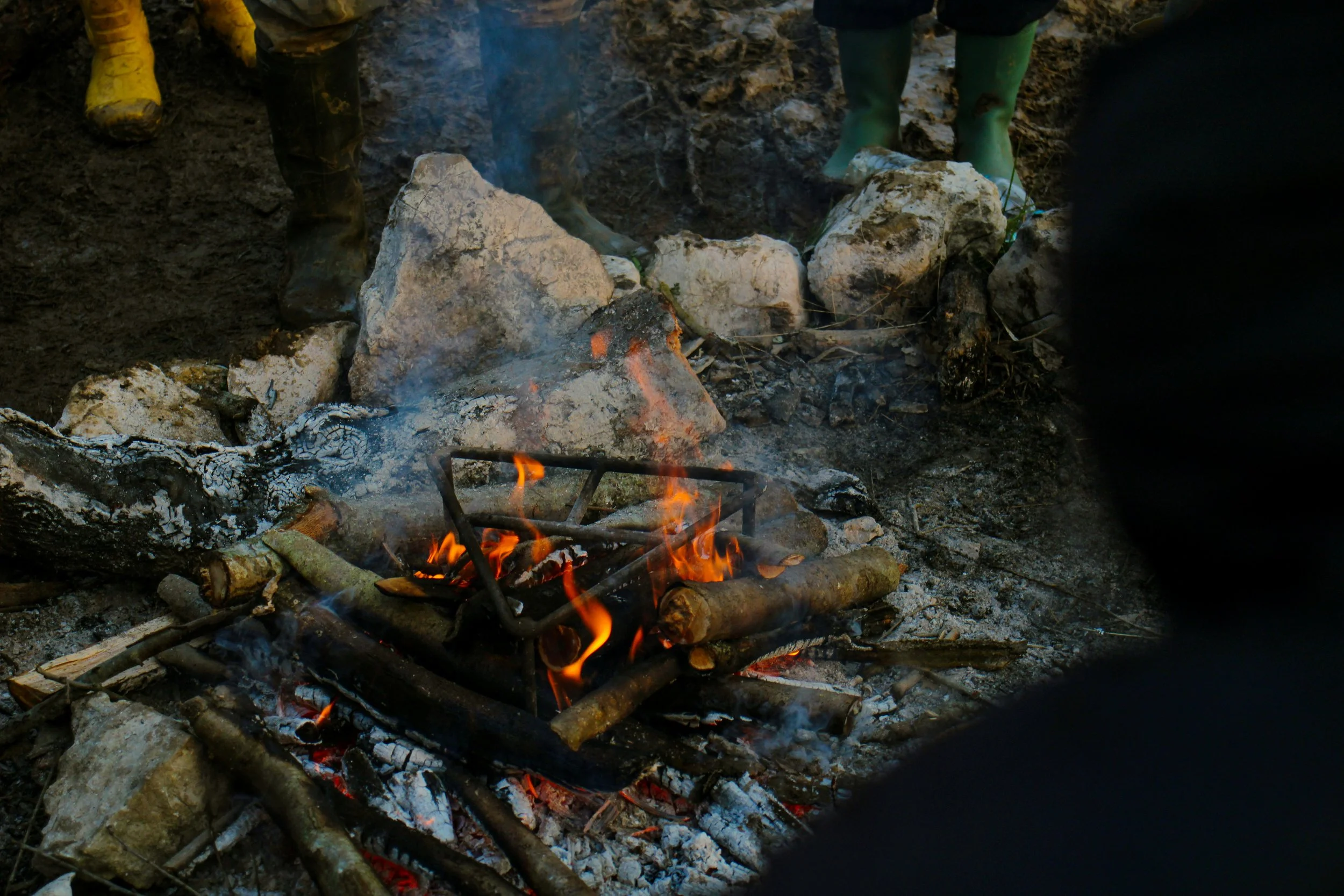
There’s something timeless about sitting around a campfire. It brings warmth on chilly evenings, provides a place to cook meals, and creates some of camping’s best memories. But for new campers, building and managing a fire can feel intimidating. The good news? With a little preparation and a few simple techniques, anyone can build a safe, reliable campfire.
This guide will walk you through the essentials — how to start a fire, keep it going, and extinguish it safely — so you can feel confident every time you strike a spark.
Step 1: Know the Rules Before You Start
Before you even gather firewood, check the campground or park regulations. Fire restrictions are common during dry or windy conditions, and ignoring them can be dangerous and illegal.
Always:
Check posted campground rules
Look for fire danger ratings
Use designated fire rings when available
Never build fires during burn bans
If fires aren’t allowed, a camp stove is a safe and reliable alternative that still lets you cook and enjoy hot drinks.
Pro Tip: Save the park or campground website on your phone before leaving home so you can quickly check fire restrictions.
Step 2: Choose the Right Fire Location
If you’re in a developed campground, use the existing fire ring. These are designed to contain flames and reduce wildfire risk.
If you’re in a dispersed or backcountry setting and fires are allowed:
Choose a spot at least 15 feet from tents, gear, and trees
Clear away leaves, sticks, and debris in a 5-foot radius
Avoid building fires under low-hanging branches
Never build fires directly on roots or dry grass
A safe fire starts with a safe location.
Step 3: Gather the Right Fire Materials
Every campfire needs three types of fuel. Think of it as building from small to large.
Tinder (Ignition Material)
Tinder catches the initial spark or flame.
Examples include:
Dry leaves
Pine needles
Birch bark
Cotton balls or commercial fire starters
Pro Tip: Waterproof fire starters or natural fire starter kits are beginner-friendly and extremely reliable.
Kindling (Small Sticks)
Kindling helps grow the flame once tinder ignites.
Look for:
Pencil-sized dry sticks
Twigs that snap easily
Small pieces of split wood
Pro Tip: A folding camping saw makes it easy to cut small branches safely and efficiently.
Firewood (Fuel Logs)
Firewood keeps your fire burning longer.
Use:
Wrist-thick or larger dry logs
Wood collected from the ground (never cut live trees)
Pro Tip: Protective fire-resistant gloves help safely move logs and adjust burning wood.
Step 4: Build the Fire Structure
There are several ways to structure a fire, but beginners should stick with simple, reliable builds.
Teepee Fire (Best for Starting)
Place tinder in the center
Lean kindling around it in a cone shape
Leave a small opening for airflow
Add larger sticks once the fire grows
This method lights quickly and produces strong flames.
Log Cabin Fire (Best for Cooking and Stability)
Stack larger logs in a square pattern
Place tinder and kindling inside
Light from the center
This style burns slower and provides a stable cooking surface.
Step 5: Light the Fire Safely
Use long matches, a lighter, or a fire starter to ignite your tinder. Light from multiple sides if possible.
Once the tinder catches:
Slowly add kindling
Avoid piling on large logs too quickly
Allow airflow to help flames grow
Never use gasoline, lighter fluid, or accelerants. They create dangerous flare-ups and can quickly spread fire beyond control.
Step 6: Maintain Your Campfire
A good campfire doesn’t need constant attention, but it does need smart management.
Keep It Small and Controlled
Bigger fires aren’t better. Small fires:
Use less wood
Are safer
Produce better cooking heat
Are easier to extinguish
Feed the Fire Gradually
Add wood slowly instead of dumping multiple logs at once. This keeps flames steady and predictable.
Never Leave a Fire Unattended
Even stepping away for a few minutes can be risky. Wind shifts quickly, and sparks can travel farther than expected.
Pro Tip: Assign a “fire watcher” when camping with family or groups so someone is always responsible for monitoring the flames.
Step 7: Extinguish Your Fire Completely
Many campfire accidents happen after people think their fire is out. Properly extinguishing a fire is just as important as building it.
Follow these steps every time:
Stop adding firewood well before bedtime or leaving camp
Pour water slowly over the fire
Stir ashes and embers with a stick or shovel
Pour more water and stir again
Repeat until everything is cool to the touch
If the ashes are still warm, the fire is not out.
Important Rule: Your fire should be cold enough to touch before leaving it unattended.
Common Campfire Mistakes to Avoid
Building fires too large
Burning trash or food scraps
Using wet or green wood
Leaving fires unattended
Assuming dirt alone can extinguish flames
Avoiding these mistakes keeps you, other campers, and the environment safe.
Bonus Tips for Campfire Confidence
Keep Fire Tools Nearby
Helpful items include:
Bucket or container of water
Small shovel
Fire-resistant gloves
Folding saw or hatchet (where permitted)
These tools make managing your fire easier and safer.
Practice at Home
If you’re new to fire building, practice in a backyard fire pit or approved area before your camping trip. Learning the basics in a controlled environment builds confidence quickly.
Final Thoughts
Campfires are one of camping’s most memorable traditions. They bring people together, provide warmth, and turn ordinary evenings into unforgettable experiences. But with that enjoyment comes responsibility.
By choosing safe locations, using proper materials, keeping fires small, and fully extinguishing them, you’ll protect yourself, other campers, and the wild places we all love.
Confidence around a campfire comes with practice. Start simple, stay mindful, and enjoy the process. Before long, building and managing a fire will feel like second nature.
And when the flames settle into glowing coals and the stars begin to shine overhead, you’ll understand why campfires remain at the heart of the camping experience.
Happy camping,
JP